Council rules for tree works North End what gardeners must know
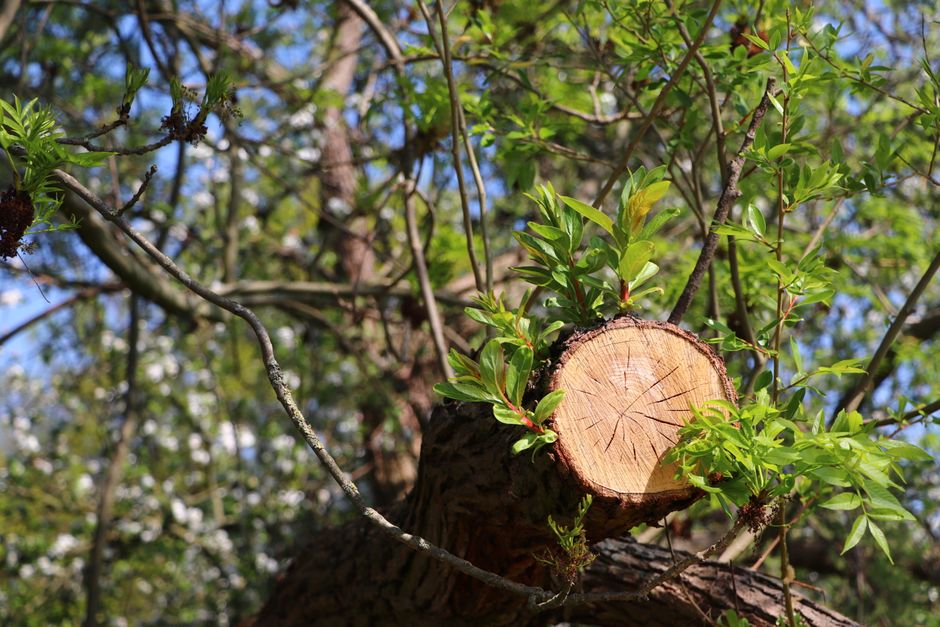
If you are planning pruning, crown lifting, stump removal, or a full tree felling job in North End, the rules can feel a bit tangled at first. That is normal. Council rules for tree works North End what gardeners must know is not just about paperwork; it is about avoiding fines, protecting trees that matter to the local landscape, and making sure the work is done safely and lawfully. Whether you are a homeowner, landlord, or gardener helping a client, the right approach saves time, stress, and those awkward "we should have checked first" moments.
In practice, tree work in a residential garden can involve more than a pair of loppers and a free afternoon. Some trees may be protected, some sites may sit within conservation constraints, and some jobs are best handled with specialist care. This guide breaks the subject down in plain English, so you can work out what needs checking, what can usually go ahead, and when to pause and ask for advice.
Why Council rules for tree works North End what gardeners must know matters
Tree work looks straightforward until it isn't. A branch hangs over a path, a canopy shades a lawn too heavily, ivy starts to run wild, or roots begin to affect paving. Then the question becomes: can you just get on with it? Sometimes yes. Sometimes no. And sometimes only after you have checked whether the tree is protected, whether the property sits in a sensitive area, or whether the proposed work is reasonable and proportionate.
For gardeners and property owners, the point of the council framework is not to make life difficult. It is there to prevent avoidable damage. Trees support biodiversity, provide privacy, soften hard boundaries, and make a garden feel settled rather than stark. At the same time, badly handled tree work can upset neighbours, damage habitats, and create safety hazards. A heavy-handed cut in late summer can leave a tree stressed. Cutting without checking status can create a planning problem. Let's face it, nobody wants a tidy border and a messy compliance issue.
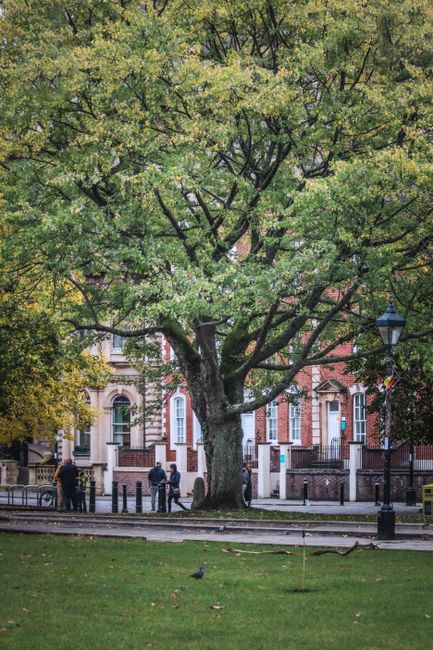
In North End, as in many parts of London, the local environment can be a mix of mature gardens, tighter urban plots, close boundary lines, and trees that have been part of the street scene for decades. That means the "just trim it back" approach is not always the sensible one. A little checking up front is far cheaper than fixing a mistake later.
If your tree work is part of a wider garden tidy-up, it may also connect to broader maintenance tasks such as garden maintenance or shaping boundaries with hedge trimming North End. The key is to keep the whole garden plan in view, not just the one tree that is irritating you today.
How Council rules for tree works North End what gardeners must know works
The basic process is usually a sequence of checks rather than one single rule. First, identify the tree and the exact work you want done. Then assess whether any protection applies. After that, decide whether the work is maintenance, pruning, deadwood removal, reduction, or full removal. Those categories matter more than people realise.
Here is the simple version:
- Step 1: Identify the tree species, size, condition, and location.
- Step 2: Check whether the tree is protected, for example by a Tree Preservation Order or a conservation-area control.
- Step 3: Describe the proposed work clearly and honestly.
- Step 4: Decide whether the work is minor maintenance, routine pruning, or a more significant intervention.
- Step 5: If needed, submit the relevant notice or application before starting.
- Step 6: Keep records, photos, and any correspondence in case a question comes up later.
That sounds dry, but in real life it saves a lot of trouble. A gardener might be asked to reduce a tree for light, only to find that the tree has a protected status. Or a client may say "it's just a tidy-up," when the actual work is a substantial reduction that could alter the tree's form. The wording matters because councils assess the work, not the intention floating behind it.
It also helps to think in terms of risk. If the job involves climbing, chainsaws, heavy branches, or trees near buildings and fences, it usually belongs in specialist hands. That is where a broader service like tree surgery becomes relevant, especially where the work goes beyond routine garden pruning.
For garden projects that involve overgrown climbers on trees or walls, you may also find it useful to read about advanced ivy removal techniques and expert hedge trimming. Sometimes what looks like a tree issue is really a mixture of canopy, climber, hedge, and boundary work.
Key benefits and practical advantages
Following the right process brings benefits beyond legal peace of mind. You get better results, better timing, and fewer surprises. That matters if you are trying to keep a garden healthy rather than simply "cut back and hope."
- Reduced risk of enforcement problems: If the tree is protected or the site is sensitive, checking first helps you avoid an unnecessary headache.
- Better tree health: Sensible pruning decisions usually give a tree a better chance of responding well.
- Cleaner project planning: You can schedule work around nesting seasons, access issues, and weather.
- Stronger client trust: Clear advice makes you look careful and competent, not rushed.
- Lower chance of neighbour disputes: A well-briefed job is easier to explain if branches overhang a boundary or light is being restored.
There is also a practical garden-design benefit. A correctly managed tree can improve light levels enough to transform planting beds, seating areas, or a patio. You might notice that after careful canopy work, the garden suddenly feels less damp, less cramped, and a bit more alive. Not dramatic in a showy way. Just better.
For gardeners building a more balanced outdoor space, tree work often sits alongside shade-tolerant planting, privacy planning, and wind management. If that sounds familiar, our guides on dynamic hedges for privacy and wind adaptation in the garden can help you think beyond one-off pruning.
Who this is for and when it makes sense
This topic matters to a fairly wide group of people, not just arborists and council officers. If you garden in North End, chances are you will bump into tree rules at some point.
- Homeowners: If you want more light, safer access, or a healthier garden layout.
- Landlords and property managers: Especially if trees affect fences, paths, or shared spaces.
- Gardeners and landscapers: You may be asked to advise on what work is appropriate before a job begins.
- Neighbouring residents: Overhanging branches, roots, and boundary trees can create shared concerns.
- Developers or renovation teams: Tree protection can influence what happens in a garden redesign.
It makes sense to pause and check rules when the work is anything beyond basic deadwood removal or light maintenance. A short ladder job on a small ornamental tree is one thing. A mature tree close to a house, a fence line, or a public boundary is another. And if the tree seems historically important, unusually large, or planted in a prominent front garden, the caution level should rise.
If your wider project includes reshaping a tired garden, improving access, or dealing with neglected planting, it may sit neatly alongside garden revival work or broader gardening services. Sometimes one practical visit can reset the whole space.
Step-by-step guidance
Here is a practical way to move from uncertainty to a clear plan without overcomplicating it.
- Walk the site slowly. Look at the tree from different angles and note what is actually wrong: deadwood, crossing branches, light blockage, damage, root lift, or simply size.
- Photograph the tree before any work. This creates a useful record of condition and shape.
- Check protection status. If you are not sure, treat the tree as potentially protected until confirmed otherwise.
- Clarify the goal. Is the aim safety, shape, light, access, or complete removal? Be specific.
- Choose the least intrusive solution. Often a careful reduction or selective pruning is better than a harsh cut.
- Consider timing. Weather, nesting concerns, and seasonal tree response can all affect the best window for work.
- Use the right level of help. If the job is technical, awkward, or high risk, bring in a specialist rather than guessing.
- Keep records. Store photos, notes, and any permission or notice documents.
A useful habit is to write the brief in plain English before anyone starts: what the tree is, what is being done, why it is being done, and how much of the tree is affected. That little paragraph can prevent a lot of muddle. It also helps the person doing the work decide whether the task is routine pruning or something more regulated.
For jobs involving access equipment, saws, or awkward branches over outbuildings, it is wise to think about safety in the same breath as permissions. Our health and safety policy and insurance and safety pages are useful reminders that tree work is never only about appearance. It is about control, planning, and avoiding preventable incidents.
Expert tips for better results
Here are the small things that often make the biggest difference.
- Start with the tree's long-term shape. A good pruning decision looks forward, not just at what is awkward today.
- Avoid "over-cleaning" a tree. Taking too much at once can leave the canopy stressed and the garden looking bare.
- Think about light and shade together. You may want more daylight, but some shade is helpful for borders, seating, and moisture balance.
- Mind the boundary line. If branches reach over next door, speak early and keep the tone friendly.
- Check for hidden issues. Ivy, rot, dead limbs, and storm damage can change what seems like a simple job.
- Use garden design to absorb the change. If a canopy opens up suddenly, underplanting or ground cover can stop the space feeling exposed.
Truth be told, some of the best tree jobs are the ones that barely look dramatic when they are done. That is a good sign. A tree that still looks natural, balanced, and safe usually means the work was judged well.
If your garden needs a more considered aftercare plan once the tree work is complete, the article on ground covers for UK gardens can be a handy next read. Lower planting often softens the look of an opened canopy nicely.
Common mistakes to avoid
Most problems in this area are not dramatic disasters. They are small, avoidable missteps that add up.
- Assuming every garden tree is exempt. It isn't safe to assume that.
- Using vague language. "Just trim it" can mean very different things to different people.
- Cutting first and asking later. That is the one that causes the most regret.
- Ignoring neighbour concerns. A tree that hangs over a shared line can be sensitive even when the legal position is straightforward.
- Taking too much canopy in one go. Severe cuts can leave ugly regrowth and weaker structure.
- Forgetting about access and debris. Branches, chippings, and stump waste need a plan too.
Another common issue is treating tree work as separate from the rest of the garden. In reality, the best outcomes come when the whole outdoor space is considered together. For example, a tree reduction may be the perfect time to rethink shade planting, seating, or screen planting. If privacy is part of your brief, you might also like this seating-spot guide and ideas for vertical planting.
Tools, resources and recommendations
You do not need a mountain of gear to think clearly about council rules, but a few practical tools help.
- Phone camera: Take clear before-and-after photos.
- Notebook or job sheet: Keep a short written record of the work requested.
- Measuring tape: Useful for checking spread, clearance, and access gaps.
- Basic site sketch: Handy when trees are close to fences, walls, sheds, or shared boundaries.
- Access to a specialist opinion: Best for uncertain trees or anything technical.
For the practical side of garden preparation, a good set of tools matters too. Our guide to useful gardening tools is a sensible companion if you are tidying borders or clearing space after tree work. If the job leaves behind a lot of debris or organic material, turning clutter into soil enrichment can help you recycle what makes sense.
If you are bringing in professionals for a wider refresh, it may also help to review pricing and quotes before making decisions. Cost matters, obviously, but so does clarity on what is included.
Law, compliance, standards, or best practice
This is the part people often want simplified, so here it is in careful plain English. In the UK, tree work can be subject to local controls. The most common things to watch for are Tree Preservation Orders, conservation-area controls, and any conditions tied to planning permissions. The exact position depends on the tree and the site, so it is always worth checking rather than assuming.
Best practice usually means:
- making the least harmful intervention that achieves the aim;
- avoiding unnecessary removal where pruning would do;
- keeping clear records of what was agreed and why;
- using suitable methods for the tree type and size;
- respecting seasonal and ecological considerations where relevant.
There are also wider care standards that matter in real gardens. If a tree is next to a fence, wall, or lawn edge, poor handling can create knock-on damage. If roots are already affecting a boundary, tree work and boundary work may need to be planned together. That is one reason a service mix like fencing, landscaping, and tree care can sometimes be discussed in the same visit.
For background on company standards and operational expectations, you can also review about us, terms and conditions, and complaints procedure. Those pages help set expectations, which is never a bad thing when work is being done near property boundaries or shared access routes.
Options, methods, or comparison table
When people say "tree work," they usually mean very different things. The right option depends on the goal, the tree's condition, and whether any council control applies.
| Option | Best for | Main caution | Typical outcome |
|---|---|---|---|
| Light pruning | Minor shaping, modest light improvement | Easy to overdo if rushed | Subtle, tidy improvement |
| Selective reduction | Managing size without losing the tree's form | Needs a skilled hand | Better balance, less bulk |
| Deadwood removal | Safety and maintenance | Must still respect any protection status | Safer, cleaner canopy |
| Full removal | Unsafe, diseased, or unsuitable trees | Most likely to require formal checks | Clear space, but higher responsibility |
| Specialist tree surgery | Technical, large, or high-risk trees | Needs proper planning and equipment | Controlled and professional result |
For many North End gardens, selective reduction or careful pruning is the sweet spot. It keeps the tree present, supports structure, and avoids the harsh look that can come from taking too much off at once. If the tree is part of a shade scheme or privacy screen, that balance becomes even more important.
Case study or real-world example
A typical North End scenario goes like this. A homeowner has a mature tree near the rear boundary. The lower branches are brushing over a neighbour's side path, and the canopy is shading a planting bed that has been struggling for years. The first instinct is to cut the tree back hard and sort it in one afternoon. Understandable, but not ideal.
Instead, the better route is to identify what the actual issues are: overhanging lower limbs, reduced light, and a bit of deadwood. The tree is then checked for protection status, the work brief is written clearly, and the solution becomes a selective reduction rather than a heavy cut. A small amount of crown thinning, some branch raising, and deadwood removal gives the garden more light without flattening the tree's shape.
After the work, the garden still feels green, but it is less cramped. The owner adds shade-friendly underplanting and a new seating corner. The neighbour is happier because the path is clearer. The tree remains part of the garden's character. That is usually the best outcome, to be honest: not flashy, just right.
If you are planning a larger refresh after tree work, a broader service like garden maintenance can help keep everything in rhythm rather than letting one job create three more.
Practical checklist
Use this before any council-sensitive tree job in North End.
- Identify the tree and its exact location.
- Decide whether the work is pruning, reduction, deadwood removal, or removal.
- Check for any protection or site controls.
- Take dated photos of the tree before starting.
- Write a plain-English description of the proposed work.
- Consider nesting, weather, access, and neighbour impact.
- Choose the least intrusive method that solves the issue.
- Use a specialist for climbing, saws, or large branches.
- Keep records of any permission, notice, or advice given.
- Plan follow-up planting or aftercare if the canopy changes the garden light.
It is a simple list, but it saves people all the time. And when you are juggling a busy garden, simple is good.
Conclusion
Tree work in North End is rarely just about cutting back growth. It is about making the right call for the tree, the garden, the neighbours, and the rules that sit around all of it. If you understand the basics of council checks, protection status, and sensible pruning, you can avoid costly mistakes and get a better result from the work itself.
The best approach is usually calm and methodical: identify the tree, clarify the goal, check the status, and choose the lightest effective method. That way, you keep the garden safe and attractive without turning a routine task into a compliance problem. And if the job feels beyond a simple tidy-up, that is usually your cue to slow down, not speed up.
Handled well, tree work can open up a garden, restore balance, and make everything else around it work better. A bit of care goes a long way.
Get a free quote today and see how much you can save.
If you are ready to discuss a tree issue, a boundary concern, or a broader garden tidy-up, the easiest next step is to speak with the team via contact. A short conversation now can save a lot of second-guessing later.
Frequently Asked Questions
Do I need council permission for every tree cut in North End?
No. Many routine jobs do not need formal permission, but protected trees, trees in conservation areas, or larger works can trigger checks or notices. Always verify before starting.
What counts as tree works rather than simple garden pruning?
Tree works usually means anything that changes a tree's structure, size, safety, or long-term shape, such as reduction, crown lifting, deadwood removal, or felling. Light tidy-up work may still be regulated if the tree is protected.
How do I know if a tree is protected?
You usually need to check local records or ask before the work begins. If there is any doubt, treat the tree as potentially protected until confirmed otherwise. That cautious step is boring, but useful.
Can I cut branches that overhang my garden from next door?
In many cases, overhanging branches can be cut back to the boundary, but you should still avoid damaging the tree or acting without checking whether protection applies. Good neighbourly communication helps too.
Is tree removal harder to approve than pruning?
Usually yes. Full removal is a more serious intervention and is more likely to need formal checking or stronger justification than light pruning or deadwood removal.
What should a gardener record before tree work starts?
Take photos, note the tree's location and condition, and write down exactly what work is planned and why. If permission or notice is needed, keep a copy of that too.
What happens if tree work is done without checking the rules?
That can lead to enforcement issues, neighbour complaints, or the need to explain and possibly remedy the work. The safest move is always to check first, even if it feels like an extra step.
When is the best time of year for tree work?
It depends on the tree, the reason for the work, and seasonal considerations. Weather, nesting concerns, and tree health all matter, so there is no single answer that suits every garden.
Should I hire a tree surgeon for all tree jobs?
No, not for every small job. But if the tree is large, awkward, close to structures, or technically tricky, specialist tree surgery is usually the sensible route.
Can tree work improve light in my garden without harming the tree?
Yes, often. Careful reduction or selective pruning can improve daylight while keeping the tree balanced and healthy. The trick is moderation, not over-cutting.
How do tree rules affect landscaping projects?
They can shape the whole layout. Tree canopy, roots, and protection status may influence where you place seating, planting, fencing, or paths. Good landscaping plans take trees into account early.
Where can I get help if I am unsure what the rules are?
Start with a careful site check and, if needed, speak to a local gardening or tree specialist. If you want practical help with the next step, the team details are available on the contact page.