Recycling and Sustainability with Gardeners North End
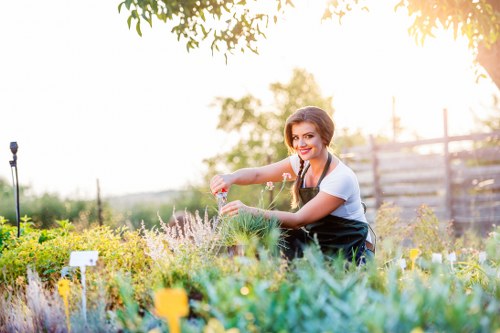 Gardeners North End takes a practical, borough-minded approach to greener working, with recycling and sustainability built into day-to-day garden care. Across local homes, shared green spaces, and carefully maintained plots, our garden recycling services focus on reducing waste, reusing materials where possible, and sending only the right items into the correct stream. That means separating green waste from general rubbish, keeping soil and plant matter clean, and making sure recyclable materials are handled with care. In an area where boroughs often encourage clear waste separation, this disciplined routine helps support cleaner collections and better environmental outcomes.
Our aim is to support a recycling percentage target that keeps the majority of garden waste out of landfill and in productive use. While every site is different, we work towards diverting at least 90% of suitable green material from disposal by prioritising composting, mulching, and material recovery. Grass cuttings, hedge trimmings, leaves, and untreated woody prunings are sorted for the most sustainable route available, while contaminated or mixed waste is handled separately. This approach aligns with the expectations of local waste services and helps residents and property managers maintain a tidier, lower-impact outdoor space.
In practical terms, sustainable gardening in North End often involves simple but effective recycling activity. Branches may be chipped for mulch, seasonal cuttings can be composted, and soil collected from planting work can be screened for reuse where appropriate. We also keep a close eye on borough-specific waste separation habits, especially where local collection systems distinguish between garden waste, mixed recyclables, and residual rubbish. 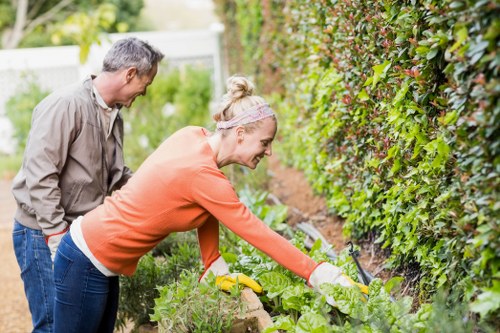 By matching our working methods to those expectations, Gardeners North End reduces contamination and improves the chance that materials are processed efficiently rather than discarded unnecessarily.
We also recognise that sustainability is not only about plant waste. A greener service includes sensible material choices, careful stock control, and using equipment that lowers emissions. For instance, we favour durable tools, repair items before replacing them when possible, and choose supplies that create less packaging waste. In larger clearance or maintenance jobs, the focus stays on keeping recyclable items separate, such as metal fixtures, reusable pots, and clean hard landscape materials that may be diverted from general waste streams. These small decisions add up to a more circular garden maintenance model.
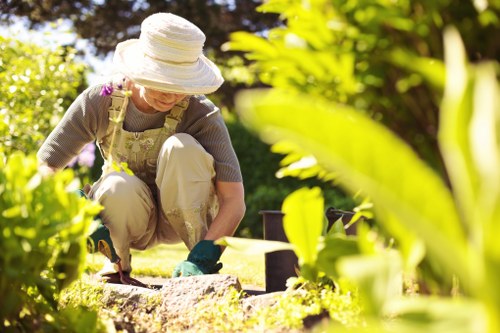 Another important part of our recycling commitment is our work with local charities and community organisations. Where appropriate, usable garden items such as pots, planters, edging materials, and surplus furniture may be passed on for reuse rather than thrown away. Healthy plants, seed trays, and certain decorative items can also support charity gardens, community spaces, or low-cost reuse initiatives. This helps extend the life of useful materials, supports local causes, and reduces the volume of waste created by routine garden changes. It is a straightforward way for Gardeners North End to add social value alongside environmental care.
We also build sustainability into transport. Our low-carbon vans are selected to help reduce the environmental footprint of journeys between sites, local transfer stations, and material suppliers. By using efficient vehicles and planning routes carefully, we cut unnecessary mileage and reduce emissions associated with everyday garden work. This matters in busy residential areas, where repeated short trips can quickly add up. Lower-emission transport is a practical part of the wider responsibility we take for greener service delivery, especially when moving green waste to the correct recovery destination.
Local transfer stations play a key role in that process. When garden waste cannot be composted on site or collected directly for reuse, it is taken to approved transfer stations where it can be sorted, weighed, and directed to the appropriate recycling or recovery route. These facilities help separate clean green waste from mixed material, making it easier for the borough’s waste system to process items responsibly. For Gardeners North End, using the right transfer station is part of ensuring that each load is handled in line with local rules and environmental priorities.
Our sustainability thinking also covers the everyday garden tasks that generate waste in the first place. Lawn cuttings are managed to reduce over-collection, pruning is planned so that healthy biomass can be reused where possible, and clearance work is carried out with an eye on what can be saved, repaired, or recycled. Even small things, such as keeping metal canes apart from organic waste or separating clean plastic ties from soil-covered debris, help keep the recycling stream efficient. In boroughs that emphasise sorted household and green collections, this attention to detail is especially important.
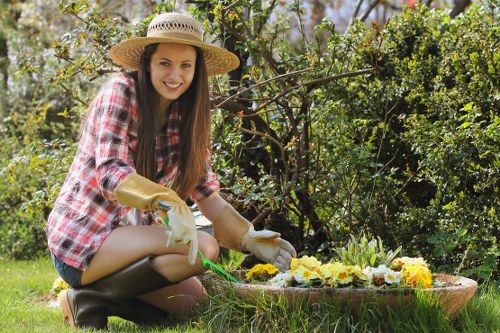 The result is a recycling-led gardening service that is both practical and responsible. Gardeners North End works to minimise waste, support charity reuse, and lower carbon emissions without compromising on quality of care. Whether managing routine maintenance or larger outdoor clearances, we keep sustainability at the centre of the work. By combining low-carbon vans, local transfer stations, and a strong recycling percentage target, we help make North End gardens cleaner, greener, and better prepared for the future.
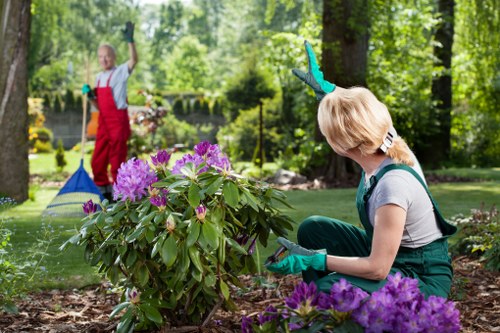 Sustainability in gardening is not a single action but a series of careful habits, and that is exactly how Gardeners North End approaches it. From segregating green waste to supporting charity partnerships and using lower-emission transport, every stage is designed to reduce environmental impact. We also stay mindful of the borough’s wider approach to waste separation, so recyclable material is not lost to general disposal. In this way, our eco-friendly garden recycling practices support both beautiful outdoor spaces and a cleaner local environment.