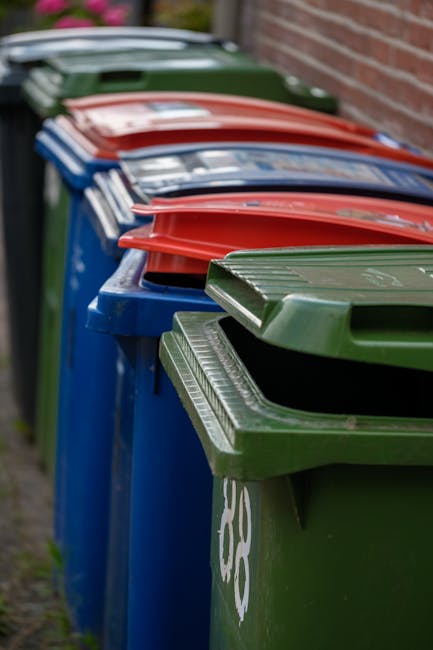
North End council green waste disposal rules for gardeners
If you garden in North End, the way you deal with green waste can save time, money, and a fair bit of hassle. The rules around grass cuttings, hedge trimmings, leaves, branches, and mixed garden debris may sound straightforward, but in practice there are small details that matter: what counts as green waste, how it should be stored, what must never be mixed in, and when a gardener should arrange removal rather than leave it to the council system.
This guide to North End council green waste disposal rules for gardeners explains the practical side in plain English. You will find out how green waste is usually handled, the common mistakes that trigger problems, the best way to prepare waste for collection or disposal, and how to stay on the right side of local expectations without overcomplicating things. Truth be told, the difference between a tidy, compliant load and a rejected one is often just a few minutes of sorting.
Table of Contents
- Why North End council green waste disposal rules for gardeners Matters
- How North End council green waste disposal rules for gardeners Works
- Key Benefits and Practical Advantages
- Who This Is For and When It Makes Sense
- Step-by-Step Guidance
- Expert Tips for Better Results
- Common Mistakes to Avoid
- Tools, Resources and Recommendations
- Law, Compliance, Standards, or Best Practice
- Options, Methods, or Comparison Table
- Case Study or Real-World Example
- Practical Checklist
- Conclusion
- Frequently Asked Questions
Why North End council green waste disposal rules for gardeners Matters
Green waste looks harmless. In a wheelbarrow, it is just leaves, clippings, and prunings. But once it leaves the garden, it becomes a materials-handling issue, and that is where the rules start to matter. Councils and waste services generally want green waste kept separate from general rubbish because it can be composted or processed more efficiently. If it is contaminated with plastic, soil-heavy rubble, food waste, or pressure-treated timber, the whole load becomes harder to deal with.
For gardeners, that has practical consequences. A small patch of bad practice can lead to extra fees, missed collections, unnecessary trips to a tip, or complaints from a client who thought the garden would be left spotless. If you are managing regular maintenance work, it becomes even more important. Hedge trimming in the morning, lawn care by lunch, and a pile of damp clippings by the gate by three o'clock. That's a normal day. The rules help keep that day under control.
There is also a simple trust issue. Homeowners want to know that waste has been handled responsibly, especially when a garden job involves a lot of volume. If you can explain how green waste is separated, stored, and removed, you immediately look more organised and more professional. That matters whether you are a sole gardener or part of a wider team offering gardening services.
And one more thing: green waste disposal is not just about compliance. It affects the look, smell, and finish of a job. No one wants a neat border and a pile of steaming cuttings sat beside it. It spoils the after-effect, and the after-effect is half the job.
How North End council green waste disposal rules for gardeners Works
In most local systems, green waste is expected to be separated from everything else at the point of collection. That means grass, leaves, weeds, soft plant matter, and small branches are kept apart from plastics, packaging, stones, general household rubbish, and construction waste. The practical logic is simple: clean organic waste can usually be recycled or composted, while contaminated material often cannot.
For gardeners, the process normally starts before the waste even reaches a bin, bag, or trailer. You sort it while you are working. A pruning session might create three different waste streams in one go: soft green material, woody cuttings, and non-organic debris such as twine or old plant ties. Those should not be dumped together. If you do, you end up with a mixed load that is harder to dispose of properly.
Another part of the process is storage. Green waste should be kept in a way that avoids nuisance and contamination. Damp clippings can compact quickly and start to smell. Dry leaves blow everywhere. Thorny branches can puncture bags. A sensible storage method depends on the job, but the principle is the same: keep it contained, keep it separate, and keep it easy to identify.
For larger jobs, a professional approach is often better than relying on ad hoc disposal. A tidy clearance can be coordinated through a proper removal service, especially if the site also needs related work like garden clearance or heavy pruning. If trees are involved, waste volumes increase fast, and the disposal plan needs to match the scale of the work.
To be fair, the exact council arrangement can vary over time and by property type, so it is always wise to check the current local collection rules before assuming a bag or bin will be accepted. The broad principles, though, stay pretty stable.
Key Benefits and Practical Advantages
Following green waste rules is not just a box-ticking exercise. Done properly, it saves effort at almost every stage of the job.
- Cleaner site finish: Separate waste is easier to remove fully, which leaves a garden looking finished rather than half-done.
- Fewer rejected loads: Clean material is less likely to be turned away at collection or disposal points.
- Lower contamination risk: Soil, plastic, and rubble in with green waste cause problems that can be avoided.
- Better time management: Sorting as you go prevents a big, messy clean-up at the end of the day.
- More professional service: Clients notice when a gardener handles waste calmly and neatly.
- Less manual handling stress: Planned disposal is easier on the back and the schedule, especially after a long job.
There is also an environmental upside. Green waste that is kept clean is more likely to be diverted into composting or similar recovery routes. For many gardeners, that fits naturally with the kind of work they already do. It pairs well with a broader focus on recycling and sustainability, especially when you are trying to reduce landfill-bound material and keep the site tidy at the same time.
Expert summary: The easiest way to stay compliant is to treat green waste like a separate job from the start. Sort it, contain it, keep it clean, and remove it before it becomes mixed, wet, or awkward to handle.
Who This Is For and When It Makes Sense
This topic matters to a wide range of people, not just full-time gardeners. If you work on private gardens, rental properties, communal grounds, or small commercial spaces, you will run into green waste disposal sooner or later. The bigger the garden, the more likely it is that waste handling becomes a real planning issue rather than a quick afterthought.
It makes particular sense to pay attention to the rules if you are:
- cutting hedges or shrubs regularly
- removing lawn cuttings after repeated mowing
- lifting beds, borders, or overgrown areas
- doing seasonal clear-ups in autumn or early spring
- working with clients who want a full finish included
- managing mixed jobs with trees, fencing, patios, or landscaping nearby
For example, a simple lawn tidy may create light, manageable waste that can be bagged quickly. But a job that includes hedge trimming and branch reduction can create a heavier, bulkier load that may need a different collection method. If the work is part of wider outdoor improvements, it is often worth planning waste disposal alongside the main job, not afterwards. That is especially true when you are also arranging hedge trimming or tree surgery, where the waste output can jump quite suddenly.
Homeowners with busy lives benefit too. If you garden on weekends and the bins are already full, a rough pile of clippings can quickly become a nuisance. The rules help you avoid that awkward moment when the garden looks better but the side path looks worse. Happens more than people admit.
Step-by-Step Guidance
Here is a practical way to handle green waste without turning it into a complicated project.
- Identify the waste as you create it. Keep green material separate from rubble, plastic ties, pots, packaging, and household rubbish.
- Remove obvious contaminants straight away. Pull out labels, string, wire, stones, and broken plastic before the pile grows.
- Sort by type if the job is large. Soft clippings, woody prunings, and bulky branches behave differently and are easier to manage separately.
- Contain the waste properly. Use bags, bins, tubs, or trailer space that suits the material. Soft cuttings settle differently from woody debris.
- Keep it dry where possible. Wet material is heavier and can become messy fast. A small bit of planning saves backache.
- Check collection or disposal requirements. Make sure the waste is suitable for the system you are using, especially if the council has specific garden-waste expectations.
- Load safely. Put heavier branches lower, avoid overfilling, and do not create unstable stacks.
- Leave the site clean. Sweep up loose clippings and check paths, gates, and borders for stray debris.
One useful habit is to do a final walk-round with a pair of gloves and a bag in hand. It sounds basic because it is basic. But basic is good. You spot a stray bamboo cane, a bit of plastic plant tie, maybe a clump of moss by the path, and suddenly the job feels properly finished.
If you are working on a regular maintenance contract, you may find that a predictable disposal routine makes the whole season easier. A service model that includes garden maintenance can keep green waste volumes under control before they grow into a bigger issue.
Expert Tips for Better Results
The best waste handling is rarely glamorous, but it is very practical. A few field-tested habits can make a real difference.
- Cut and clear in stages: Do not leave all the waste until the end of the day if the job is large. Clear as you go and the site stays workable.
- Separate woody and soft waste: It helps with stacking, transport, and later processing.
- Use the right container size: Overfilled bags split, and flimsy sacks are no friend to thorny trimmings. Small annoyance, big mess.
- Keep compostable waste clean: The less soil and non-organic material mixed in, the more useful it remains.
- Plan for weather: A damp November pile weighs more than it looks, and a windy day can turn loose leaves into confetti very quickly.
- Think about access: If the path to the front is narrow or awkward, load waste in smaller batches rather than hauling one giant load through the house.
- Match disposal to the job: Light lawn work and heavy clearance work should not use the same process automatically.
In our experience, the most efficient gardeners are not the ones who rush disposal. They are the ones who make it part of the workflow. That's a quieter skill, but a valuable one. And if you are also handling landscaping or redesign work, the need for a more structured approach becomes even clearer. A site under improvement often generates waste in bursts, not neat little piles.
Common Mistakes to Avoid
Most disposal problems come from a handful of avoidable mistakes. Nothing dramatic. Just little slip-ups that snowball.
- Mixing green waste with general rubbish: This is the big one. It contaminates the load and can create disposal problems.
- Including soil, rubble, or broken pots: These are not green waste and usually need different handling.
- Overstuffing bags or bins: Heavy, dense loads split and become awkward to move.
- Leaving waste on site too long: It becomes wet, compacted, and sometimes smelly. Not ideal for anybody.
- Ignoring local collection limits: If the council system has size, weight, or presentation expectations, meet them.
- Forgetting about sharp or thorny material: Roses, brambles, and some hedging can be unpleasant to move without gloves and proper packing.
- Assuming all garden waste is automatically accepted: It usually depends on cleanliness and how it is presented.
A common real-world example is a client who wants a quick tidy-up after a hedge cut, but the cuttings are mixed with old plastic plant supports and a few broken terracotta bits from the border. Suddenly, what looked like easy green waste needs extra sorting. A few minutes upfront would have saved half an hour later. Easy to say in hindsight, of course.
Tools, Resources and Recommendations
You do not need a lot of kit to manage green waste well, but a few basics help a great deal:
- Heavy-duty garden waste bags: Useful for clippings, leaves, and smaller prunings.
- Wheelbarrow or trug: Makes short-distance transport easier and reduces repeated lifting.
- Tarpaulin: Handy for gathering waste from a larger area and keeping it together on wet ground.
- Gloves with grip: Particularly useful for thorny material, wet grass, and rough branches.
- Secateurs and loppers: Help reduce bulky material before disposal.
- Rake and leaf scoop: Good for clean-up on lawns and borders.
- Covered trailer or secure load space: Best for larger jobs where waste has to travel beyond the property.
If you are a gardener who handles seasonal peaks, it also helps to have a simple routine for sorting waste at source. For larger outdoor projects, services such as garden clearance can be a practical way to take pressure off the schedule. And when waste is part of a more complete garden refresh, it may be worth looking at related services like landscaping or lawn care to keep the whole space in one working plan.
One small but useful recommendation: keep a dedicated waste zone on site while you work. It could be a tarp, a corner of the drive, or a lined bag station. The point is not style. The point is not having to re-collect the same debris three times because it spread during the job.
Law, Compliance, Standards, or Best Practice
Because waste handling touches environmental rules and local service expectations, a careful approach is sensible. The exact council arrangements in North End may change, and it is not wise to guess at details that could be out of date. What you can rely on is the general best practice used across the UK: keep garden waste separate, avoid contamination, store it safely, and use an approved collection or disposal method.
For gardeners, compliance usually comes down to three things:
- Correct separation: Green waste should not be mixed with non-organic materials.
- Safe handling: Heavy or thorny waste should be moved in a way that reduces injury and spillage.
- Responsible disposal: Waste should be taken to the appropriate collection stream or disposal route.
If you work professionally, the duty of care is broader in practice, even when a task feels small. You are expected to manage waste sensibly, not casually. That includes knowing what you are handling, where it goes, and whether it can be collected in the format you have prepared. It also means keeping an eye on related policies such as health and safety policy and insurance and safety when work involves sharp tools, lifting, access issues, or public-facing areas.
Best practice is often more important than rigid theory. A neat, well-sorted pile of clippings is usually easier to deal with than a technically "garden-related" load that contains all sorts of extra material. And if you are unsure whether something qualifies as green waste, treat it separately until you are sure. That cautious pause can save a lot of awkwardness later.
Options, Methods, or Comparison Table
Different jobs call for different disposal methods. Below is a simple comparison of the most common approaches gardeners use.
| Method | Best for | Advantages | Watch out for |
|---|---|---|---|
| Council green waste collection | Regular, clean garden cuttings and small-to-medium volumes | Convenient, familiar, often suitable for routine work | May have presentation rules, size limits, or collection schedules |
| On-site bagging and later removal | Gardens with phased work or limited access | Keeps the site tidy while the job continues | Bags can split if overfilled or packed with thorny material |
| Dedicated clearance service | Large, overgrown, or one-off clearance jobs | Efficient for bulky waste and mixed quantities | Must still be sorted properly to avoid contamination |
| Composting on site | Suitable leaves, grass, and soft plant matter | Low-cost and environmentally friendly | Not suitable for diseased plants, woody waste, or contaminated material |
For routine work, council collection may be enough. For more substantial jobs, especially where access is tricky or the volume changes fast, a dedicated clearance approach is often cleaner and less stressful. There is no single perfect method. The best choice depends on the size of the job, the type of waste, and how much time you have to deal with it properly.
Case Study or Real-World Example
Imagine a North End gardener finishing a late-summer maintenance visit. The job includes mowing a back lawn, trimming a boundary hedge, and clearing a few border plants that have got leggy. By the end, there is a mix of grass cuttings, hedge trimmings, and a handful of old ties from previous growth support. Nothing dramatic, but enough to be annoying if left in one pile.
The first pass is easy enough: grass goes into one bag, hedge cuttings into another, and the plastic ties are picked out by hand before disposal. The gardener then checks the load before leaving, because the client wants the path swept and the side gate clear. A second small bag appears during the final sweep-up, mostly leaves and a few stray stems that would otherwise have been missed.
Now compare that with a different approach: everything thrown together, the load is wet by the evening, a few bits of plastic are hidden inside, and the bags are overfull. The result? Harder lifting, more chance of rejection, and a garden that still looks unfinished by the next morning. Same amount of work, worse outcome. That's the point really.
This sort of scenario is common in weekly maintenance work, which is why a disciplined system matters. If a job also involves stronger pruning or reshaping, it helps to plan ahead and coordinate the waste flow with services like lawn mowing or tree lopping and removal so the disposal stage does not become a bottleneck.
Practical Checklist
Use this checklist before you finish a garden job or arrange disposal.
- Have I separated green waste from general rubbish?
- Have I removed plastic, wire, ties, stones, and broken pots?
- Are grass cuttings, leaves, and branches sorted sensibly?
- Is the waste contained in the right bags, bins, or trailer space?
- Have I avoided overfilling or making unstable stacks?
- Is the load dry enough to handle without unnecessary mess?
- Have I checked local collection or disposal expectations?
- Is the site swept and left in a tidy condition?
- Have I considered whether the waste volume needs a clearance service?
- Do I know where the waste is going next?
If you can tick most of those off, you are already doing better than a lot of hurried garden jobs. Simple, but it works.
Get a free quote today and see how much you can save.
Conclusion
North End council green waste disposal rules for gardeners are really about good habits. Keep waste separate, keep it clean, and keep it moving in a sensible way. That approach helps you stay compliant, reduces stress on the day, and leaves the finished garden looking properly cared for rather than half-managed.
Whether you are tidying a small front garden or clearing a more complicated outdoor space, a clear waste plan makes the job smoother from the first cut to the final sweep. And once you get into the habit, it becomes second nature. Not glamorous, perhaps, but quietly satisfying.
For garden projects that need a more joined-up approach, you may also want to review related pages on garden maintenance and gardening services so the work, the waste, and the finish all line up neatly. That is usually where the best results come from.
In the end, the tidy pile and the clear path say more than a long explanation ever could.
Frequently Asked Questions
What counts as green waste for gardeners in North End?
Green waste usually includes grass cuttings, leaves, weeds, hedge trimmings, soft prunings, and other plant-based material. If it is mixed with plastic, rubble, food waste, or packaging, it is no longer clean green waste and may need separate handling.
Can I put all garden waste into one bag?
You can, but it is not always the best idea. A mixed bag may be harder to handle and could include contamination that causes disposal problems. Separating soft material from woody branches often makes the job easier and tidier.
Do council green waste rules apply to professional gardeners as well as homeowners?
Yes, in practice they do. Professional gardeners still need to separate and present waste properly. If anything, the expectations are higher because clients rely on you to manage the site cleanly and responsibly.
What should I do with branches and thicker prunings?
Thicker prunings are usually best cut down into manageable lengths and kept separate from soft clippings. If the volume is large, a dedicated clearance method or a specialist removal plan may be more suitable.
Is it okay to leave green waste on the pavement or roadside?
No, not unless it is being managed in a permitted and safe way. Leaving waste in public areas can create nuisance, obstruction, or safety issues. It is better to keep everything contained on the property until it is ready to go.
Can I compost garden waste instead of disposing of it?
Yes, for suitable material. Soft waste such as leaves and grass can often be composted on site if you have the space and a decent system. Diseased plants, invasive material, or contaminated waste should be handled more carefully.
What happens if green waste is contaminated?
Contaminated waste may be rejected or diverted from normal recycling routes. That can mean extra sorting, additional cost, or a delayed collection. A few minutes of checking at the start usually prevents that headache.
How do I know whether a full garden clearance is better than council collection?
If the volume is large, the site is very overgrown, or the waste includes mixed material, a dedicated clearance service often makes more sense. For small routine jobs, council collection may be enough. It comes down to scale and cleanliness.
Does wet green waste cause problems?
Yes, wet waste is heavier, messier, and more awkward to move. It can also start to smell if left for too long. If possible, store it in a way that keeps it dry until collection or removal.
What is the biggest mistake gardeners make with green waste disposal?
Mixing everything together. It sounds minor, but it creates the most issues: contamination, awkward lifting, wasted time, and sometimes rejected loads. Clean separation is the simplest fix, and probably the most effective one too.
Can I get help with waste from larger garden jobs?
Yes. For bigger projects, many gardeners and homeowners choose services that include removal as part of the work. If your garden is being reshaped, cleared, or heavily maintained, it can be easier to bundle the waste plan into the project from the start.
What is the safest way to handle thorny or sharp cuttings?
Wear proper gloves, reduce the length of the material where possible, and keep it in sturdy bags or a secure container. Thorny waste can catch on clothing and split light bags very easily, so a little care goes a long way.