North End Road guide best gardeners for terraced gardens
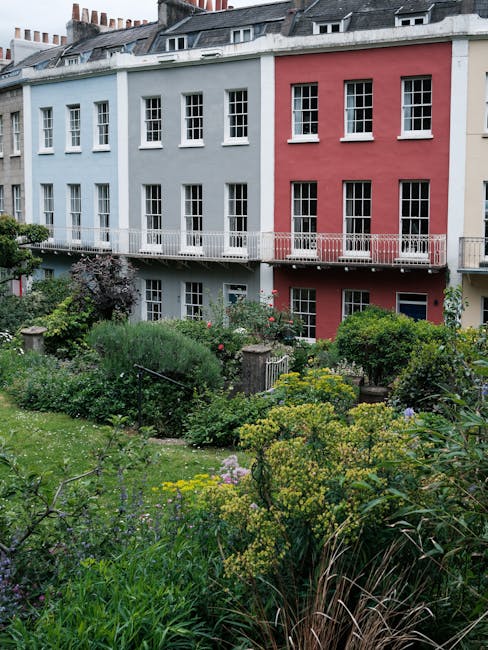
If you live with a terraced garden, you already know the truth: the space can be charming, but it is rarely straightforward. Narrow widths, shaded corners, overlooked boundaries, awkward steps, and neighbour-facing sightlines all make a small outdoor space feel a bit like a design puzzle. This North End Road guide best gardeners for terraced gardens is here to help you solve that puzzle with less guesswork and more confidence.
Whether your garden is a tiny strip behind a Victorian terrace, a sloping courtyard, or a long and skinny plot that never quite behaves, the right gardener can make a dramatic difference. The best gardeners for terraced gardens understand structure, drainage, privacy, planting, maintenance, and how to make every square metre feel useful. They also know when not to overdo it. Let's face it, in a small garden, one bad idea can shout louder than ten good ones.
In the sections below, you will find a practical guide to what good terraced-garden care looks like, how to choose the right help, what services usually matter most, and the common mistakes that can quietly waste time and money. We will also cover a realistic checklist and a few useful comparisons so you can decide what your garden actually needs, not just what looks nice in a mood board at 10pm.
- Why it matters
- How it works
- Key benefits
- Who needs this
- Step-by-step guidance
- Expert tips
- Common mistakes to avoid
- Tools, resources and recommendations
- Law, compliance, standards, or best practice
- Options and comparison table
- Case study or real-world example
- Practical checklist
- Conclusion
- Frequently asked questions
Why North End Road guide best gardeners for terraced gardens Matters
Terraced gardens are different from larger suburban plots in ways that matter every single week of the year. They usually have less light, less airflow, less storage, and less room for trial and error. That means garden work has to be deliberate. A quick tidy-up can improve things for a day; a thoughtful plan can improve them for seasons.
The North End Road gardening context also matters because local urban gardens often face the same blend of conditions: compact layouts, surrounding walls, mature neighbours' trees, variable shade, and footfall from busy households. If your outdoor space backs onto other terraces, privacy and noise can matter as much as flowers. If your garden gets blasted by wind, the challenge is different again.
Best gardeners for terraced gardens do more than mow or prune. They look at how the whole space behaves. Where does water sit after rain? Which corner stays damp and mossy? Which wall heats up in summer and bakes plants? Where can you create a seating spot without making the rest of the garden feel cramped?
That kind of thinking is what separates routine garden maintenance from genuinely useful terraced-garden care. It is also why services like regular garden maintenance and thoughtful landscaping can be so valuable in a terrace setting. The aim is not just tidiness. It is balance.
And if your garden has become neglected, overgrown, or difficult to use, the right starting point is often a proper reset. You can read more about that approach in the first steps to overcoming neglect. Sometimes that first clear-up changes the whole mood of a place. Suddenly the garden feels possible again. Funny how that happens, really.
How North End Road guide best gardeners for terraced gardens Works
A terraced garden usually benefits from a layered approach. The best gardeners do not try to fix everything in one go unless the situation genuinely calls for it. They assess the space, identify the biggest pain points, and then work in an order that protects both time and budget.
In practice, that often means:
- checking access and identifying tight working areas
- inspecting boundaries, paving, planting beds, and drainage
- deciding what should be retained, reshaped, replaced, or removed
- building structure first, then planting, then finishing details
- choosing materials and plants that suit shade, wind, and limited space
This is especially useful in terraces because a small change can have a large visual effect. A raised bed can create order. A climber can soften a hard fence. A compact seating area can make the garden feel like a room, not just a strip of ground. A clearer border can make a narrow garden seem wider. You get the idea.
Good gardeners also know when vertical solutions make more sense than horizontal ones. For example, if the ground area is too tight for broad planting, a layered wall plan, trellis system, or carefully managed climber may be the smarter answer. If that sounds familiar, have a look at vertical gardening for urban resilience and evergreen climbers for dim spaces. They suit the terraced-garden mindset very well.
There is also a practical side to the work. Many terraced gardens need regular control of weeds, ivy, self-seeding plants, and vigorous hedging. Left alone, these things can swallow paths and borders before you know it. If ivy is part of the problem, advanced ivy removal methods can be a useful reference point for understanding why careful removal matters.
Key Benefits and Practical Advantages
The best terraced-garden gardeners do not just make things look neat. They make your outdoor space more usable, more comfortable, and easier to maintain. That is the real win.
Here are the biggest benefits you should expect:
- Better use of space: Compact gardens need layout decisions that feel intentional, not crowded.
- Improved privacy: Screening, hedge management, and layered planting can make a terrace feel calmer.
- Healthier planting: Matching plants to shade, wind, and soil condition reduces ongoing stress.
- Less maintenance overload: A tidy system is easier to keep tidy. Sounds obvious, but it is often overlooked.
- Safer surfaces: Slippery paths, uneven steps, and hidden edges are more obvious in small gardens and should be addressed early.
- More year-round enjoyment: With the right structure, the garden can still feel attractive in winter, not just in May.
There is also an emotional benefit people underestimate. A well-set terrace garden becomes a proper extension of the home. You notice it when you step outside with a cup of tea and there is somewhere to sit, somewhere to place a pot, somewhere for the eye to rest. The space stops feeling like a chore and starts feeling like part of daily life.
For homes that need practical seating, a clear route through the garden, or a more sociable layout, inspiration from designing a captivating seating spot can be surprisingly useful. Small gardens love clear intention.
| Garden need | What good gardeners focus on | Why it matters in a terraced garden |
|---|---|---|
| Privacy | Hedges, climbers, screens, height control | Neighbours are often close enough to notice everything |
| Drainage | Soil structure, slopes, water run-off, paving levels | Water can pool quickly in compact spaces |
| Light management | Shade-tolerant planting, reflective surfaces, pruning | Terraces are often shaded by buildings and walls |
| Maintenance | Simple planting schemes, repeat tasks, seasonal resets | Small gardens can become messy fast if the plan is too complex |
Who This Is For and When It Makes Sense
This guide is for anyone living with a terrace garden who wants the space to feel more useful and less frustrating. That includes homeowners, tenants with permission to improve the garden, landlords looking to keep outdoor spaces presentable, and busy households that just want the place manageable without spending every weekend wrestling weeds.
It is especially relevant if your garden is one of these:
- long and narrow, with awkward proportions
- shaded for much of the day
- overlooked and in need of screening
- windy and exposed between buildings
- split into paving, beds, and odd corners that do not flow well
- overgrown after a period of neglect
If you are a first-time gardener, the right advice can prevent a lot of expensive false starts. If you are more experienced, a professional eye can still be helpful because terraces ask for a very particular kind of decision-making. The same planting rule does not fit every wall, fence, or patch of shade.
For new gardeners who want to build confidence quickly, tips for budding gardeners offer a sensible way in. There is no need to make the first project a heroic one. Keep it simple. Keep it realistic.
If you have pets, children, or a shared household, the brief changes again. Plant choice, edge safety, surface materials, and visibility all matter more. A small terrace garden should work for your actual life, not an idealised version of it.
Step-by-Step Guidance
Here is the cleanest way to approach a terraced-garden project without getting overwhelmed.
- Look at the space with fresh eyes. Walk through it slowly. Notice where you hesitate, where you feel squeezed, and where you naturally pause. Those are the clues.
- Decide the main goal. Do you want privacy, easier maintenance, more seating, better planting, or all of the above? Be honest. You usually need one priority, not five competing ones.
- Sort the structure first. Fix the big things before the pretty things: edging, paving, drainage, fencing, and access routes.
- Remove what is causing clutter. That might be bramble, ivy, dead shrubs, broken pots, tired timber, or a bed that simply no longer makes sense.
- Choose a planting framework. In a terraced garden, a repeatable palette often works better than a random mix. This is where shade-tolerant plants, herbs, climbers, and ground cover can do heavy lifting.
- Add vertical interest. Trellis, trained climbers, hanging options, and carefully managed hedge lines help you use space upward instead of only outward.
- Finish with maintenance logic. If a design cannot be maintained in the real world, it is not a good design. That is the blunt version, but it saves hassle later.
As a practical example, a terrace that feels too narrow can often be improved by simplifying the sides, keeping the centre line clear, and using higher planting at the back. That creates depth. The eye moves naturally. Suddenly the garden feels more generous, even though the dimensions have not changed one bit.
If you want a smarter planting rhythm, it helps to understand how containers can support a terrace layout. The article on container gardening is a good companion read because pots are often the most flexible tool in a compact space.
Expert Tips for Better Results
The best gardeners for terraced gardens tend to think in layers. Not just plant layers, though that helps too. They think in layers of function, form, and maintenance. A terrace that looks lovely but is impossible to care for is not a success. A terrace that is practical but bare is not much better. You want both, ideally without going mad over it.
Here are the habits that make the biggest difference:
- Use repetition. Repeating plant types or materials makes a small garden feel calmer.
- Keep one clean line. A single strong edge or path line can stop a space feeling busy.
- Choose plants for the conditions, not the catalogue photo. Shade, wind, and root competition matter more than wishful thinking.
- Control height carefully. Height brings privacy, but too much height can feel cramped fast.
- Let one feature lead. If the garden already has strong paving, do not fight it with ten competing focal points.
- Plan winter interest. Evergreen structure, berries, bark, and tidy edges stop the view becoming bleak in February.
It also helps to think seasonally. In late autumn or early winter, you may notice that a terraced garden exposes every weak point at once: soggy soil, bare walls, leaf build-up, and plants that looked better in summer than they do now. That is normal. It is why good maintenance is a year-round habit, not a one-off event.
For seasonal resilience, keeping plants warm through winter can be surprisingly relevant even in relatively sheltered London gardens. The wind slips into terraces in odd ways. A sunny afternoon can turn cold very quickly once the light drops.
And if privacy is top of the list, explore dynamic hedges for privacy. Hedges can work beautifully in terraced gardens, but only when they are chosen and trimmed with care.
Common Mistakes to Avoid
Terraced gardens often fail for the same handful of reasons. The good news? They are avoidable.
- Overplanting from the start. Small gardens can look cluttered very quickly. Leave breathing room.
- Ignoring drainage. A pretty surface that stays wet is still a problem surface.
- Choosing high-maintenance plants without a maintenance plan. This is how gardens become stressful.
- Using too many materials. Too many paving styles, pot types, and colours can make the space feel chopped up.
- Forgetting about access. If you cannot move comfortably through the garden, you will stop using it.
- Letting climbers take over. Climbers are brilliant, but they need training and trimming. They are not magic. Sadly.
Another common issue is leaving hedge and fence boundaries unmanaged for too long. When that happens, light drops, wind behaviour changes, and the whole garden can feel boxed in. A lighter, neater boundary often changes the mood immediately. If that sounds familiar, take a look at expert hedge trimming and, where needed, hedge trimming services.
There is also the very ordinary mistake of trying to do everything in one weekend. Ambitious? Yes. Satisfying? Not always. Better to complete the work in sensible stages and keep the space usable throughout.
Tools, Resources and Recommendations
You do not need a shed full of expensive kit to manage a terraced garden well, but you do need the right basics. A few dependable tools make regular care much easier and reduce the temptation to bodge tasks. That is where handy gardening tools comes in handy, no pun intended.
A sensible terraced-garden toolkit usually includes:
- pruning shears or secateurs
- a sturdy hand fork and trowel
- loppers for thicker growth
- gloves with decent grip
- a watering can or hose setup suited to your layout
- basic edging or weeding tools
- buckets or bags for green waste
For more advanced jobs, such as boundary clearing, shaping shrubs, or improving access, professional help can save time and reduce the risk of damage. Services like general gardening services, lawn care, and patio cleaning can be very practical if your terrace mixes planting with hard landscaping.
And if your space is already a little overfull, a budget-aware plan is often the best route. You do not always need a total rebuild. Sometimes a targeted tidy, a few better plants, and cleaner boundaries do more than a grand redesign. The article on budget-friendly ways to simplify gardening is useful here.
One more recommendation: if your garden includes edible planting, make sure your layout still works with daily life. Herbs close to the door, for instance, often get used more. The piece on herb garden ideas is a neat reminder that small spaces can still be productive.
Law, Compliance, Standards, or Best Practice
Most terraced-garden work is straightforward domestic garden care, but there are still sensible UK best practices to keep in mind. If a project involves trees, boundary structures, shared access, or anything that could affect neighbours, it is wise to be careful and communicate early. A small terrace can still raise shared issues, especially where walls, fences, or roots are involved.
Practical best-practice points include:
- check whether any tree work needs extra caution because of proximity, stability, or neighbour impact
- avoid blocking shared access routes with materials or waste
- keep slippery surfaces and trip hazards in mind, particularly on steps and narrow paths
- confirm what is being removed, trimmed, or replaced before work starts
- if boundary ownership is unclear, pause and clarify rather than guessing
Health and safety matters too. Even simple garden work can involve heavy lifting, sharp tools, awkward ladders, or wet paving. If you are hiring help, it is sensible to ask how the work is managed safely. You can also review insurance and safety information and the company's health and safety policy before booking.
For broader trust signals, useful pages include about the company, pricing and quotes, terms and conditions, and payment and security. They help you understand how the service is run and what to expect. That kind of transparency is a good sign, plain and simple.
If you are ever unsure about the scope of a job, it is better to ask directly than to assume. In small gardens, assumptions can turn into expensive little surprises.
Options, Methods, or Comparison Table
Not every terraced garden needs the same approach. Some need light maintenance, some need a reset, and some need a proper redesign. Here is a practical comparison to help you decide what kind of help makes sense.
| Approach | Best for | Strengths | Limitations |
|---|---|---|---|
| Routine maintenance | Gardens already in decent shape | Keeps everything tidy, manageable, and on track | Won't solve layout or drainage problems |
| Targeted tidy-up | Overgrown corners, weeds, or tired borders | Fast visual improvement with moderate cost | May not create a long-term system on its own |
| Planting refresh | Gardens that need colour, structure, or softness | Strong seasonal impact and better flow | Can fail if the site conditions are ignored |
| Full landscaping rethink | Gardens with access, layout, or usability issues | Best chance of transforming the whole space | More planning time and usually more budget |
There is no prize for choosing the biggest option. The right option is the one that fits your actual garden, your time, and the way you live. A small terrace that only needs smart boundaries and regular care should not be treated like a full rebuild. Equally, a garden with bad levels and poor flow should not be patched forever with container plants and optimism.
Case Study or Real-World Example
Picture a typical terraced back garden in North End Road style conditions: narrow plot, a bit shaded in the morning, strong sun along one side in late afternoon, and a boundary that has become crowded with mixed planting. There is a small paved section near the house, a tired lawn in the middle, and a back corner where ivy and self-seeded growth have settled in for the long haul.
The first useful move is not decoration. It is clarity. A good gardener would likely start by clearing the overgrowth, checking the edges, and deciding where movement through the space should happen. The middle could become a clearer route or a simpler lawn section. The boundary might be softened with trained climbers and better screening. The back corner could be turned into a feature rather than a dumping ground.
That kind of approach changes the feel of the garden very quickly. The space becomes easier to read. The eye stops bouncing around. The owner can imagine sitting there, which is always a promising sign. In many real homes, that is the difference between a garden that gets avoided and one that gets used.
And honestly, that matters. A terrace garden does not need to be grand. It needs to be liveable. If it smells fresh after rain, looks tidy at dusk, and gives you a decent place to sit for ten minutes with a mug of tea, it is already doing its job.
If you are thinking about a broader reset, turning organic clutter into soil enrichment is another good example of how waste can be turned into value instead of carted away thoughtlessly.
Practical Checklist
Use this checklist before you hire help or start your own terraced-garden project.
- Identify your top priority: privacy, planting, access, maintenance, or full redesign
- Note where the garden is shaded, windy, or waterlogged
- List the jobs that need doing now versus later
- Check for overgrown hedges, ivy, or damaged planting areas
- Decide whether hard landscaping needs attention first
- Think about seating, storage, and movement through the space
- Choose plants suited to the actual light and exposure
- Review safety, insurance, and terms before booking any contractor
- Ask how ongoing maintenance will be handled after the main work
- Make sure the plan feels realistic for your time and budget
If you want a more structured support route, the best next step is usually to compare your needs with the available garden maintenance and broader gardening services. Sometimes the simplest plan is the smartest one.
Get a free quote today and see how much you can save.
Conclusion
The North End Road guide best gardeners for terraced gardens is really about one idea: small spaces deserve careful thinking, not generic treatment. Terraced gardens can be private, elegant, productive, and surprisingly relaxing when the structure is right and the planting suits the conditions.
If you remember nothing else, remember this: work with the shape of the garden, not against it. Use height thoughtfully. Keep maintenance realistic. Fix the awkward bits first. Then let the rest grow into itself. That approach tends to pay off, especially in London gardens where space is precious and every line matters.
And if you are still staring at your terrace wondering where to begin, start with one small corner. Tidy it. Test it. Then build from there. That first bit of progress can change everything. Really, it can.
Frequently Asked Questions
What makes a gardener good for terraced gardens?
A good terraced-garden gardener understands narrow layouts, privacy needs, shade, wind, drainage, and how to make a small space feel organised rather than crowded.
Should a terraced garden be redesigned or just maintained?
It depends on the condition of the space. If the layout already works, maintenance may be enough. If access, drainage, or structure are poor, a redesign is often the better investment.
How do you make a small terraced garden feel bigger?
Use clear lines, repeated materials, vertical planting, and a limited plant palette. Keeping the centre of the garden uncluttered usually helps a lot.
What plants work best in a shaded terraced garden?
Shade-tolerant planting, evergreen structure, and carefully chosen climbers are often the best fit. The exact plant list depends on how much light the garden actually gets through the day.
Is vertical gardening a good idea for terraces?
Yes, often. Vertical gardening uses walls, trellis, and trained climbers to add interest without taking up much ground space. It is especially useful where floor area is limited.
How often should a terraced garden be maintained?
Most terraced gardens benefit from regular light maintenance rather than occasional heavy work. In practice, that may mean seasonal tidying plus smaller visits in between.
Can hedges work in a terraced garden?
Yes, provided the hedge is chosen and trimmed carefully. Hedges can improve privacy and structure, but they need the right height and width for a compact space.
What are the most common terraced-garden problems?
The most common issues are poor drainage, too much shade, overcrowding, lack of privacy, and layouts that do not make movement through the garden easy.
Do I need landscaping help or just garden maintenance?
If the garden only needs tidying, pruning, or rebalancing, maintenance may be enough. If the surface levels, access, or layout are awkward, landscaping may be more suitable.
How do I choose between patio cleaning and garden maintenance?
If the main issue is slippery, tired, or stained hard surfaces, patio cleaning is useful. If the beds, plants, and overall layout also need attention, garden maintenance is the broader solution.
What should I ask before hiring a gardener for a terrace?
Ask about experience with compact spaces, the proposed plan, safety, how waste is handled, and whether the work will be staged or completed in one visit. Clear answers are a very good sign.
Can neglected terraced gardens be brought back without a full rebuild?
Yes, often they can. A good first phase is clearing, cutting back overgrowth, and restoring basic structure before deciding whether further work is needed.
How do I get started if I feel overwhelmed?
Start with one area only, preferably the most visible or most difficult corner. A small win creates momentum, and momentum is half the battle in a compact garden.
Where can I ask for help or a quote?
You can begin by reviewing the service pages and then reaching out through the contact page when you are ready to discuss your terrace garden in more detail.
If you want to take the next step, a simple conversation is often enough to clarify what your garden needs and what can wait. No drama, no pressure. Just a sensible plan for a space that ought to feel good every time you open the back door.