Same day gardeners North End emergency garden clearance: fast help when the garden cannot wait
If your garden has suddenly turned from manageable to messy, you are not alone. High winds, a broken fence panel, a fallen branch, a storm-blown bin bag, or a week of neglect can leave an outdoor space looking unsafe and a bit overwhelming. That is exactly where same day gardeners North End emergency garden clearance becomes useful: a rapid, practical service that removes hazards, restores access, and gets the space back under control before the problem spreads.
In a real pinch, speed matters. So does doing the work properly. A rushed clearance that leaves sharp debris behind or ignores hidden damage is no favour at all. This guide explains what emergency garden clearance involves, how the process usually works, what to expect on the day, and how to decide whether you need urgent help or a more measured cleanup. It also covers safety, common mistakes, and the best ways to prepare your garden for fast clearance without making the job harder than it needs to be. Let's face it, when the garden looks like a small disaster zone, a clear plan helps a lot.
Why Same day gardeners North End emergency garden clearance Matters
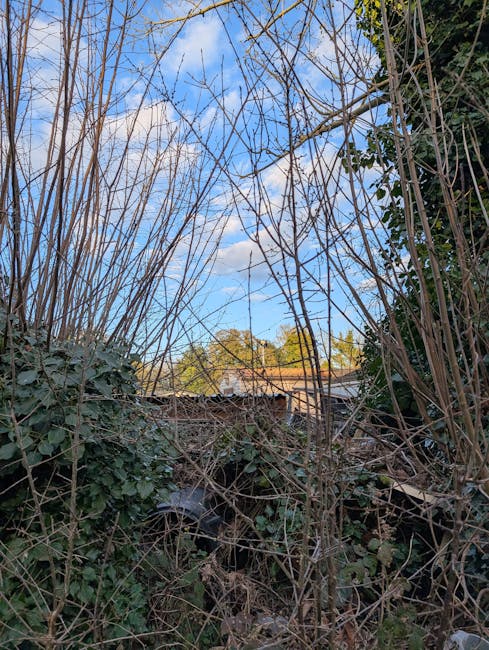
Emergency garden clearance is not just about tidying up. It is about making a space usable and safe again, often within hours rather than days. That may mean removing branches from a path, clearing windblown waste from a lawn, cutting back overgrown growth that is blocking access, or dealing with a garden that has become a trip hazard after bad weather.
In North End, as in many parts of London, gardens can change quickly. A narrow side return can become blocked by debris after one strong gust. A shared access path may need immediate clearance if a hedge has collapsed or plant waste has been dumped. And if you have children, pets, older relatives, or neighbours using the space, the urgency becomes obvious very quickly.
There is also a practical side that people sometimes overlook. A cluttered or damaged garden can attract pests, hide slippery surfaces, and make further maintenance harder. In damp weather, rotting cuttings and heavy debris can start to smell, and no one wants that drifting through an open kitchen window on a Tuesday morning.
A fast clearance also protects the rest of the garden. If storm damage leaves broken stems, torn roots, or compacted beds in place too long, the recovery job becomes bigger. Prompt action keeps the damage local rather than letting it spread. For many homes, the real value is not the tidy finish; it is the relief of knowing the problem is contained.
How Same day gardeners North End emergency garden clearance Works
Although every job is different, a same-day emergency clearance usually follows a straightforward pattern. The priority is speed, safety, and a sensible plan rather than a perfect redesign of the whole garden. If the garden is dangerous, the first task is to make it safe to enter. If the issue is mess rather than hazard, the crew can usually move faster.
The process normally starts with a short assessment. A gardener will want to know what happened, what needs removing, whether there are any access issues, and whether the job involves heavy lifting, green waste, broken fencing, or tree-related debris. If a fallen limb or unstable tree is involved, the response may need to be more cautious. In some cases, a specialist service such as tree surgery support may be the right next step after the initial clearance.
Once on site, the team will usually:
- identify hazards and secure the area;
- remove loose, bulky, or dangerous material first;
- sort cuttings, waste, and reusable green material;
- clear access routes, beds, paths, and boundary lines;
- load waste responsibly and check the final sweep for smaller hazards.
That last sweep matters more than people think. Bits of wire, snapped canes, nails, or hidden shards of pot can sit under leaves. One quick look is not enough. The best teams check again before they leave, because the "looks fine from the doorway" version is not the same as genuinely safe.
If the job is urgent but not physically hazardous, the work may be simpler: brambles cut back, bags and debris removed, borders opened up, and surfaces made walkable again. If the clearance is part of a larger recovery project, it can be coordinated with broader help from garden maintenance services or even later-stage landscaping work.
Key Benefits and Practical Advantages
The obvious benefit is speed. But there is a bit more to it than that. A same-day clearance changes the whole feel of a property. The garden becomes usable again, which can lower stress immediately. If you have been staring at a mess every time you open the curtains, you will know exactly what that relief feels like.
- Immediate hazard reduction: trip risks, sharp debris, and blocked access can be dealt with quickly.
- Less chance of further damage: clearing broken growth or windblown material early helps prevent rot and pest issues.
- Better first impression: important for landlords, sellers, tenants, and homes with visitors arriving soon.
- More room to work with: once clutter is gone, it is easier to see what can be repaired, trimmed, or redesigned.
- Lower stress: there is real value in handing a messy outdoor job to someone who knows what they are doing.
There is also a planning advantage. A rapid clearance gives you a clearer picture of the next step, whether that is hedge work, patio cleaning, fence repairs, or simply a more regular schedule. Many people start with an emergency call-out and then realise the garden has been asking for a better routine for months. No judgement. That happens all the time.
If the problem started with a storm or a blocked border, you may also want to think ahead about how the garden handles weather. Resources like building a garden against climate extremes and wind adaptation guidance can help reduce repeat problems later.
Who This Is For and When It Makes Sense
Not every messy garden is an emergency. That is worth saying plainly. Some jobs can wait until the weekend. But same-day clearance makes sense when delay creates risk, blocks access, or worsens the condition of the garden.
Typical situations include:
- storm debris blocking paths, doors, or side access;
- fallen branches, hanging growth, or unstable plant material;
- overgrown gardens that have become unsafe for children or pets;
- rubbish or organic clutter left after a tenancy change or renovation;
- heavy leaf fall, rot, or wet waste causing slip risk;
- rapid clearance before a property viewing, delivery, or inspection;
- shared garden spaces where neighbours need access restored fast.
It is also helpful for people who simply do not have the time, tools, or physical capacity to do the job themselves. A tough truth: garden waste gets heavier and more awkward than it looks. A pile of soaked branches is not the same as a few dry bags of clippings. If you have ever tried dragging one across a slippery patio at 7am, you know exactly what I mean.
Sometimes the need is emotional as much as practical. After illness, a bereavement, a period of work overload, or a rough winter, the garden can become a reminder of everything else that has been on hold. A quick clearance can be a surprisingly useful reset. It is not magic, but it does make the next decision easier.
Step-by-Step Guidance
If you are arranging urgent garden clearance, a simple approach keeps things moving. You do not need a long brief, but a few clear details help the work happen faster and with fewer surprises.
- Describe the problem clearly. Say whether the issue is debris, overgrowth, fallen branches, waste, blocked access, or a mix of everything.
- Flag any hazards. Mention unstable fences, slippery paving, thorny growth, hidden glass, low visibility, or anything that could affect access.
- Send a few photos if possible. This is often the quickest way to help a team judge the scale of work.
- Ask what is included. Clarify whether clearance includes loading waste, sweeping hard surfaces, and removing green waste from the site.
- Make access as easy as you can. Unlock gates, move vehicles if needed, and keep pets inside during the visit.
- Walk the garden after the job. Check that paths, corners, and hidden areas are properly cleared.
A good emergency clearance should feel organised, not chaotic. Even when the garden is in a state, the job itself should have structure. If it does not, that is a warning sign.
For gardens that have been neglected for some time, it can help to think in layers. First: safe access. Second: visible removal of debris and heavy growth. Third: recovery work. The article on reviving a neglected garden is a useful companion if your "emergency" is really the result of months or years of build-up.
Expert Tips for Better Results
From experience, the best emergency clearances are the ones where the homeowner gives just enough context and then lets the team work. Too much detail can slow things down; too little leaves people guessing. Somewhere in the middle is perfect.
- Separate what must go now from what can wait. If you have sentimental pots, plants, or furniture, say so before work begins.
- Keep a rough "do not disturb" list. Useful for herb beds, young shrubs, wildlife areas, or items you plan to reuse.
- Think about follow-up care. A clearance often exposes bare soil, tired turf, or damaged edging that may need attention later.
- Ask for practical suggestions. A good gardener will usually spot weak points in the layout while clearing.
- Use the chance to simplify. Sometimes a garden becomes easier to manage when a few awkward features are removed or reduced.
If your garden includes hedges, overgrown climbers, or ivy, talk early about whether those need specialist handling. A lot of clearance jobs are made more difficult by climbing plants that have crept into fences, sheds, or masonry. In those cases, reading more about expert hedge trimming and safe ivy removal can be genuinely useful before the next visit.
One small but useful tip: do not panic-clean the garden before the team arrives. People sometimes spend an hour moving the wrong things and end up creating extra work. If it is safe to do so, leave the site as it is and let the crew assess it properly. Sounds odd, but it helps.
Common Mistakes to Avoid
Urgent garden jobs are where shortcuts can backfire. The goal is not just to make the space look neater for ten minutes. It is to make it genuinely safe and manageable.
- Trying to move heavy debris alone. Wet branches and mixed waste can strain backs and cause falls.
- Ignoring hidden hazards. Broken glass, rusted wire, nails, and loose stones often get missed under the obvious mess.
- Assuming all greenery can be cut the same way. Some plants recover well; others do not appreciate rough handling.
- Leaving waste piled for later. Once the job is paused, wind, rain, and pests can make it worse.
- Booking purely on speed. Fast is good. But reliable and safe is better.
- Skipping follow-up plans. If the root cause was overgrowth, drainage trouble, or weather damage, the same issue may return.
Another mistake is overlooking the rest of the property. If the garden is messy because a fence has failed or a deck area has started collecting debris, the problem is bigger than "just some cuttings". In that case, looking at fencing support or decking services may save you from repeating the same clearance in a month.
And yes, people sometimes forget the path between the front gate and the back door. It happens more than you'd think. Very annoying, very fixable.
Tools, Resources and Recommendations
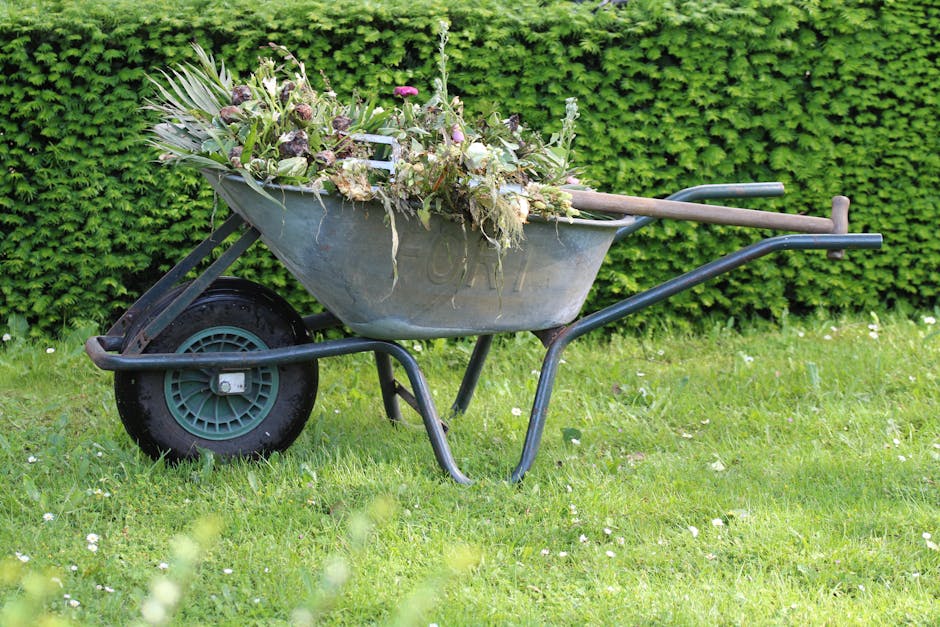
A proper clearance team will usually arrive with the right mix of hand tools and waste-moving kit for the job. For smaller urgent jobs, that can include loppers, secateurs, rakes, brooms, shears, sacks, wheelbarrows, tarpaulins, and protective gloves. For heavier jobs, cutting tools and lifting equipment may be needed, along with careful handling of bulky waste.
If you are preparing the garden before arrival, simple things help most:
- move cars, bikes, and bins out of the way;
- unlock side gates and garden access points;
- keep pets indoors or securely separated;
- put away fragile ornaments if you can reach them safely;
- point out water taps, electric points, or awkward steps;
- take a quick photo of anything you want kept.
If your garden has been neglected for a while, it can be useful to think beyond the clear-out. Some good follow-up reading includes budget-friendly ways to simplify gardening, turning organic clutter into soil enrichment, and practical weed control tips. They are useful if you want the garden to stay clearer after the emergency visit.
For readers with pets, children, or constrained outdoor space, the advice in gardening solutions for dog owners and safe spaces for young explorers can help turn a cleared garden into a more practical one, not just a tidier one.
Law, Compliance, Standards and Best Practice
For emergency garden clearance in the UK, the important point is to work safely and responsibly. You do not need to memorise legal details, but you should expect the work to be carried out with sensible precautions, especially where there is lifting, cutting, unstable growth, or waste removal involved.
Good practice usually includes:
- careful assessment of hazards before starting;
- appropriate protective equipment for the work being done;
- safe handling of sharp, heavy, or unstable material;
- responsible separation and disposal of green waste and mixed waste;
- respect for boundary lines, access routes, and neighbouring properties;
- clear communication about what is included and what is not.
If a job involves damaged structures, falling branches, or potentially unstable trees, it is sensible to pause and assess rather than forcing the issue. A rushed clearance can create a bigger incident. In practical terms, the safest approach is often the calmest one, which sounds obvious until the wind is rattling the fence and everyone wants it done now.
For trust and service standards, it also helps if the provider is transparent about safety, payment, and complaints handling. Pages such as insurance and safety, health and safety policy, payment and security, and complaints procedure are useful reference points for what a careful service should be willing to discuss.
If you are comparing providers, it is also fair to ask about pricing clarity. A sensible pricing and quotes process should leave you with a clear idea of what is urgent, what is optional, and what may need a follow-up visit.
Options, Methods and Comparison
Not every urgent garden job needs the same kind of response. Sometimes a quick tidy is enough. Sometimes you need full emergency clearance. And occasionally, the right answer is a mix of both.
| Option | Best for | Typical outcome | Limitations |
|---|---|---|---|
| Light same-day tidy | Minor mess, scattered clippings, light leaf fall | Paths and borders are cleared quickly | Not suitable for heavy debris or hazards |
| Emergency garden clearance | Blocked access, storm damage, unsafe clutter | Hazards removed and garden made usable again | May leave repair work for later |
| Clearance plus maintenance follow-up | Neglected gardens, recurring overgrowth, ongoing issues | Immediate recovery plus a plan to prevent relapse | Takes more than one visit |
| Clearance plus specialist work | Trees, fences, decking, or structural damage | Problem is handled at both surface and structural level | Needs coordination and may cost more |
For some properties, the smartest route is to combine clearance with ongoing maintenance. A one-off emergency clean can get things back on track, but regular care stops the same clutter from creeping back in. That can include lawn care, lawn mowing, or more general gardening services depending on what the garden actually needs.
And if the space has become difficult because of planting density rather than raw mess, design-led reading such as vertical gardening ideas, ground cover options, and privacy hedge ideas can help you reshape the space after the urgent work is done.
Case Study or Real-World Example
Here is a realistic example. A homeowner in North End comes home on a wet Friday afternoon and finds a side passage partly blocked by snapped branches, crushed plant pots, and damp leaf litter pushed against the fence after a burst of wind. The back gate sticks, the path is slippery, and there is no easy way to get refuse bins out for collection.
They do not need a full garden redesign that day. They need access, safety, and a clean sweep. A same-day clearance visit would usually start with the path and gate, then move to the heavier branches, then the loose debris, and finally a careful check for smaller hazards near the fence line and patio edge. If the fence itself has shifted or broken, that may be noted for follow-up rather than patched in a rush.
By the end of the visit, the homeowner would be left with a garden that is usable again. Not polished, not perfect, but calm. And sometimes calm is the real win. The smell of wet leaves is gone, the side return is clear, and the bin bags can finally get out without a wrestling match.
If the same property later decides to reduce the chances of repeat issues, the next logical step might be a mix of seasonal maintenance, trimming, and structural improvements. In other words, the emergency clearance becomes the first chapter, not the whole story.
Practical Checklist
Use this simple checklist before and during an urgent clearance visit.
- Describe the main issue in one short sentence.
- Share photos if you can.
- Point out obvious hazards, including unstable branches or broken fencing.
- Confirm which areas matter most: access, lawn, patio, side passage, beds, or bins.
- Move vehicles and unlock gates.
- Keep pets and children away from the work area.
- Ask what waste will be removed from site.
- Check whether follow-up repairs or maintenance are recommended.
- Walk the space once the work is done.
- Note any recurring problem so you can prevent it next time.
Expert summary: The best emergency garden clearance is fast, but not frantic. Clear the hazard first, then clear the clutter, then decide what needs repair, trimming, or ongoing care. That order saves time and usually saves money too.
Get a free quote today and see how much you can save.
Conclusion
Same-day garden clearance is one of those services that seems simple until you really need it. Then it becomes obvious why speed, judgement, and safe handling matter so much. Whether the issue is storm debris, blocked access, overgrown clutter, or a garden that has slipped into unsafe territory, the right response is a calm, practical one.
If you act quickly, you stop the mess from becoming a larger repair job. You also make the next stage easier, whether that is maintenance, hedge work, lawn recovery, or a bigger garden reset. To be fair, that is often the best outcome: not just a cleaner garden today, but a more manageable one next month.
And if the space feels too far gone right now, do not worry. It usually is not. One good clearance can change the whole shape of things, and once the garden can breathe again, so can you.
Frequently Asked Questions
What counts as an emergency garden clearance?
An emergency clearance is usually any garden job that cannot safely wait, such as storm debris, blocked access, hazardous clutter, or fallen branches that need prompt removal.
Can same-day gardeners in North End clear storm damage?
Yes, if the damage is suitable for a clearance visit. Loose branches, debris, and blocked paths are common same-day jobs. If a tree or structure is unstable, specialist follow-up may be needed.
How quickly can a same-day garden clearance be done?
That depends on the size of the garden, the amount of waste, and access. A small urgent tidy can be fairly quick, while a heavier clearance may take longer. The key is that the work starts on the same day where possible.
Do I need to be at home during the clearance?
It is usually best to be available at the start so you can explain priorities and any hazards. After that, some visits can continue with minimal disruption if access and instructions are clear.
Will the team remove all the waste?
That should be agreed in advance. Good practice is to confirm whether green waste, mixed waste, and bulky debris are all included, along with any limitations on what can be taken away.
Is emergency garden clearance only for very messy gardens?
No. It is also useful for gardens that are only partly blocked but where that blockage creates a safety or access issue. A single fallen branch or clogged side passage can be enough.
Can emergency clearance include hedge or ivy cutting?
Yes, sometimes. Light cutting and clearance are often part of the visit. If growth is deeply embedded in fences, walls, or trees, more specialist work may be needed afterwards.
What should I do before the gardeners arrive?
Unlock access points, move cars if needed, keep pets inside, and let the team know about any fragile items or hazards. If possible, send photos ahead of time.
Is emergency garden clearance safe during wet weather?
It can be, but wet surfaces and heavy, slippery waste need careful handling. The team should assess conditions and work cautiously. Sometimes a slower, safer approach is the right one.
What if the garden needs more than just clearance?
That is common. Once the immediate issue is removed, you may need maintenance, lawn work, hedge trimming, fencing repairs, or even landscaping. A clearance often reveals the next sensible step.
How do I know whether to choose clearance or regular maintenance?
If the issue is urgent, blocked, or unsafe, choose clearance first. If the space is stable but simply needs ongoing care, regular maintenance is usually more appropriate.
Can a clearance help if the garden has been neglected for months?
Yes. Even a heavily neglected garden can usually be improved with staged clearance. The first visit focuses on access and hazards, then you can plan the rest more sensibly.
Where can I learn more about garden recovery after a clearance?
Helpful next steps include reading about neglected garden recovery, weed control, hedge trimming, and simpler maintenance routines. Those topics make it much easier to keep the space clear after the urgent work is done.