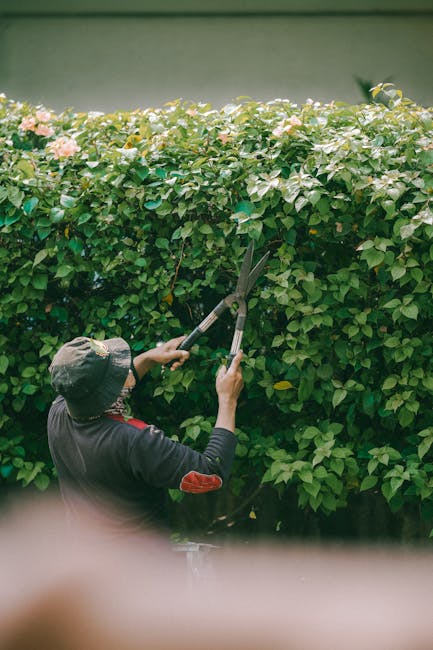
Gardeners North End hedge trimming price comparison: what affects cost, what to expect, and how to choose well
If you are weighing up a Gardeners North End hedge trimming price comparison, you are probably trying to answer a very simple question: what should a fair quote look like, and how do you tell the difference between genuine value and a cheap job that ends up costing more later? Fair question. Hedge trimming can look straightforward from the outside, but once you start comparing quotes, the details matter fast.
One gardener may charge by the hour, another by hedge length or height, and a third may include clearance, green waste removal, or a tidy-up that someone else treats as an extra. That is where a clear comparison helps. In this guide, you will see how hedge trimming pricing is usually built, which factors push the cost up or down, and how to compare offers in a way that feels practical rather than guessy. We will also touch on the bits people often miss: access, hedge condition, safety, and the difference between a quick cosmetic trim and a proper shaping job.
For context, hedge work is often part of broader care, so it can help to look at related services too, such as hedge trimming in North End, ongoing garden maintenance, and if your hedge is overgrown or tangled with woody growth, even tree surgery. The point is not to upsell everything. It is to match the job to the garden, which is usually where the best value sits.
Table of contents
- Why Gardeners North End hedge trimming price comparison Matters
- How Gardeners North End hedge trimming price comparison Works
- Key Benefits and Practical Advantages
- Who This Is For and When It Makes Sense
- Step-by-Step Guidance
- Expert Tips for Better Results
- Common Mistakes to Avoid
- Tools, Resources and Recommendations
- Law, Compliance, Standards, or Best Practice
- Options, Methods, or Comparison Table
- Case Study or Real-World Example
- Practical Checklist
- Conclusion
- Frequently Asked Questions
Why Gardeners North End hedge trimming price comparison Matters
Hedges are one of those garden features that quietly shape everything else. They create privacy, define boundaries, soften hard edges, and, when neglected, they can also make an entire front or back garden feel a bit tired. A price comparison matters because hedge trimming is rarely just a one-size-fits-all job. A short laurel hedge on an easy-access terrace is not the same as a long mixed hedge at the far end of a sloping garden with awkward footing and no clear drop zone for clippings.
To be fair, many people only compare the headline number and stop there. That is where trouble starts. One quote might look lower until you notice it excludes waste removal, allows only a light tidy, or assumes the hedge is already reasonably shaped. Another may be higher, but includes safe access equipment, a proper finish, and clean-up. Suddenly the more expensive option starts looking sensible.
There is also a timing angle. A hedge left to run wild for a season or two often needs more than a cosmetic trim. The longer it has been ignored, the more labour is involved. If you want a hedge that looks neat, healthy, and keeps its structure, understanding the price range in advance makes it easier to plan the work before the garden gets out of hand. If you have ever stood in the garden on a damp Saturday morning thinking, "I should have sorted this in spring," you will know exactly what I mean.
For hedges that have become dense, woody, or entangled with climbers, it may help to read unlock the potential of your hedges with expert trimming alongside a price comparison. The best quote is not always the lowest. It is the one that correctly matches the actual work needed.
How Gardeners North End hedge trimming price comparison Works
Most hedge trimming quotes are built from a few common variables. Once you know them, comparing prices becomes much easier. The work usually starts with the gardener assessing hedge length, height, thickness, access, condition, and whether any waste needs taking away. Then the job is priced either as a fixed quote or on an hourly basis.
A fixed quote is easiest to compare because you know the full figure upfront. Hourly pricing can be fair too, especially if the hedge condition is uncertain, but it is only useful when the estimated time is realistic and the scope is clear. Otherwise it can feel a bit open-ended, which nobody loves.
When comparing offers, it helps to ask what is actually included. For example:
- Is shaping included, or just cutting back?
- Does the price include hedge sides, tops, or both?
- Will the team remove clippings from site?
- Is the hedge being maintained or heavily reduced?
- Are access issues, ladders, or specialist equipment factored in?
Hedge type matters as well. Fast-growing hedges usually need more frequent attention. Evergreen hedges can stay neat for longer, but dense foliage takes time to cut cleanly. Thorny varieties, tall screening hedges, or hedges near fences and decking may demand slower, more careful work. If the job edges into adjacent surfaces, you might also want to look at patio cleaning or fencing after the trim, because a tidy hedge often reveals the rest of the boundary in a very honest way.
One practical note: a decent comparison should account for the same standard of finish. Two quotes can look similar on paper but mean completely different things in the garden. One contractor may leave a crisp, shaped finish. Another may leave the hedge "reduced" but uneven. So yes, the shape of the work matters just as much as the number.
Key Benefits and Practical Advantages
Comparing hedge trimming prices properly gives you more than a cheaper invoice. It helps you make cleaner decisions and avoid awkward surprises later. Here are the main advantages in real terms.
- Clear budget control: You can plan around a realistic spend instead of guessing.
- Better quality matching: You choose a quote that fits the hedge condition, not just the cheapest headline.
- Fewer hidden extras: Comparing inclusions helps prevent add-on charges for waste, access, or tidy-up.
- Healthier hedge care: A properly priced job is more likely to allow enough time for a neat, even finish.
- Long-term savings: Regular maintenance usually costs less than repeated heavy reductions.
There is also a peace-of-mind benefit that is hard to quantify but very real. When you know why one quote is higher, you stop second-guessing it. That matters. Nobody enjoys feeling as if they have overpaid, but equally, nobody wants a bargain that leaves the hedge looking hacked back by a hedge trimmer with a grudge.
Expert takeaway: a reliable hedge trimming comparison is not about finding the lowest quote. It is about comparing the same scope, the same finish, and the same level of care.
If your garden also needs wider seasonal care, a combined visit may make sense. Services such as lawn care or garden maintenance can reduce the number of separate appointments, which sometimes improves overall value. Not always, but often enough to be worth asking.
Who This Is For and When It Makes Sense
This kind of price comparison makes sense for a lot of different gardeners and property owners. You do not need a huge garden for it to be useful. In fact, smaller gardens can be just as tricky because access is tighter and mess is more noticeable.
You will probably benefit most if you are:
- trying to keep a boundary hedge tidy without overspending
- managing a privacy hedge near a path, drive, or shared boundary
- preparing a property for sale, letting, or a new season
- dealing with a hedge that has grown faster than expected after wet weather
- comparing routine maintenance with a one-off heavy cutback
- unsure whether to ask for hedge trimming or broader garden help
It also makes sense if you are on the fence about timing. Some people wait too long, then compare prices only after the hedge becomes a bigger job. That is understandable, but not ideal. A lightly maintained hedge is generally easier and cheaper to keep in shape than a neglected one. A simple truth, really.
For homes with privacy concerns, hedge work is often linked to layout and planting decisions. If that sounds familiar, articles like dynamic hedges for privacy and ground covers for UK garden design can help you think beyond the trim itself. Sometimes the best hedge spend is part of a broader plan, not a standalone fix.
Step-by-Step Guidance
If you want a sensible comparison process, keep it simple and consistent. The goal is not to become a surveyor. It is just to ask the same questions of each quote so you can compare like with like.
- Measure the hedge roughly. Even a simple estimate of length and height helps. A long hedge at head height is a different job from a short low border hedge.
- Assess the condition honestly. Is it a light trim, a medium tidy, or a big reduction? Be honest here. It saves everyone time.
- Check access. Can someone reach both sides easily? Is there a narrow passage, uneven ground, or a need to work over a fence or wall?
- Ask what the quote includes. Waste removal, shaping, and tidy-up should be clear. Otherwise you are comparing apples with pears.
- Ask about timing. A job done carefully in a sensible time window is usually better value than a rushed slot squeezed between other work.
- Compare finish level. A maintenance trim and a full reshape are not the same thing. Make sure the quote describes the desired outcome.
- Check how the work fits the wider garden. If hedge clippings affect decking, paths, or nearby planting, consider related maintenance at the same visit.
One helpful habit is to send the same photos to each contractor. Try getting a wide shot, a close-up of the thickest area, and a picture showing access. It sounds obvious, but photos cut down on misunderstandings fast. And honestly, they save you from repeating the same explanation three times.
If you are planning broader garden improvements, the team pages for gardening services and about the team can also help you understand the wider approach behind the work. That can be useful when you want more than a single cut and go.
Expert Tips for Better Results
Here is where a little experience goes a long way. A good hedge trimming price comparison is not just about asking for numbers. It is about learning which details change the outcome.
- Compare by job description, not just price. A cheaper quote may be lighter on labour, or may not include all sides of the hedge.
- Ask for the same scope each time. Keep the request consistent so no one is comparing a "tidy up" against a "full reduction".
- Look for sensible seasonal timing. Some hedges are better trimmed at certain points in the year to avoid stress or bird disturbance. If timing is uncertain, ask rather than assume.
- Be careful with over-trimming. A hedge can look neat for a week and then come back patchy if it has been cut too hard. Not ideal.
- Think about follow-up care. After a heavy cutback, the hedge may need feeding, watering, or simply time to recover.
One practical trick: if you are comparing three quotes and one is much lower, ask what has been left out rather than assuming everyone else is inflating the figure. Sometimes the lower price is fine. Sometimes it is missing half the job. A calm question usually tells you which.
Also, if your hedge borders a seating area, lawn, or decorative planting, it may be worth pairing the trim with nearby work such as lawn mowing or even a broader refresh after a neglected patch. A trimmed hedge can expose the rest of the garden in a very direct way. That is the moment you notice the weeds. Sneaky little things.
Common Mistakes to Avoid
People make the same few errors again and again when comparing hedge trimming prices. Avoiding them can save money and frustration.
- Only checking the final price. If inclusions differ, the cheapest quote can end up the most expensive.
- Not defining the hedge. Height, length, species, and access all affect the quote.
- Assuming waste removal is included. Sometimes it is, sometimes it is not. Ask.
- Ignoring the hedge condition. A hedge that has been left for months may need more than a light trim.
- Choosing based on speed alone. Fast is not always efficient if the finish is poor.
- Forgetting the rest of the boundary. A hedge job may show up issues with fencing, hard landscaping, or drainage.
Another common mistake is expecting every hedge to respond the same way. It will not. Some species tolerate hard trimming better than others. Some are forgiving, some are dramatic about it. Nature has a personality, basically.
If you are dealing with overgrowth rather than routine tidying, it may be worth reading the first steps to overcoming neglect before requesting quotes. That helps set realistic expectations and avoids frustration if the hedge needs staged work rather than one big cut.
Tools, Resources and Recommendations
You do not need specialist kit to compare quotes well, but a few simple tools help you make better decisions.
- Measuring tape: Useful for rough hedge length and visible width.
- Phone photos: Essential for showing height, access, and problem areas.
- Notebook or notes app: Handy for recording what each quote includes.
- Calendar: Helps you compare timing as well as price.
- Garden plan or sketch: Useful if the hedge sits near paths, beds, or structures.
As a recommendation, keep a simple comparison grid. List each quote, then tick off the same items: cutting, shaping, waste removal, access assumptions, and any follow-up work. It sounds old-school, but it works. No glamour, just clarity.
For readers who want to improve the look of the hedge area after trimming, useful supporting reading includes handy gardening tools and budget-friendly ways to simplify gardening. If your garden has become a bit crowded around the boundary, those can help you tidy the wider picture without overcomplicating things.
Law, Compliance, Standards, or Best Practice
Hedge trimming is not usually a heavily regulated service in the way some construction or utility work is, but there are still sensible UK best practices to keep in mind. If the hedge contains nesting birds, work should be timed and handled carefully to avoid disturbance. That is a basic courtesy and, in practice, a standard part of responsible garden work.
Health and safety also matter. Good practice usually includes safe ladder use, careful handling of cutting tools, awareness of uneven ground, and proper disposal of arisings. If a job involves tall hedges, awkward access, or work near structures, it is reasonable to ask how the work will be managed safely. A professional answer should sound calm and specific, not vague.
You may also want to check the provider's wider policies before booking, especially where insurance, complaints handling, and payment security are concerned. On a site like this, that would typically include pages such as insurance and safety, health and safety policy, terms and conditions, and payment and security. You do not need to become a policy reader for fun, obviously, but it is smart to know the basics.
One small but important point: if a gardener says they can cut anything, anytime, no questions asked, that is not automatically a badge of honour. Sometimes the careful answer is the better one. Bit boring, maybe. Also better.
Options, Methods, or Comparison Table
There are usually three broad ways hedge trimming is priced or delivered. Each has its place. The right one depends on the hedge size, condition, and how predictable the work is.
| Pricing / service method | Best for | Pros | Things to watch |
|---|---|---|---|
| Fixed quote | Clear, well-defined hedges | Easy to compare, no surprise finish price | Needs accurate scope and honest photos |
| Hourly rate | Uncertain or variable work | Flexible if the hedge condition is unclear | Can drift if scope is not agreed clearly |
| Maintenance visit | Regular, smaller trims | Often efficient, tidy, and easier to budget | Less suitable for heavy overgrowth |
Another useful comparison is between maintenance trimming and reduction work. Maintenance trimming keeps a hedge neat and within shape. Reduction work cuts it back substantially and usually needs more time, more care, and a better understanding of the hedge species. If you ask for one but need the other, the quote will never feel quite right.
For gardens where hedging is part of a privacy or screening plan, you may also want to pair the work with related ideas from evergreen climbers for shaded spaces or thoughtful zen garden designs. Not because every hedge needs a design magazine makeover, but because planting and structure often work best together.
Case Study or Real-World Example
Here is a simple real-world scenario. A homeowner has a mixed hedge along a rear boundary that has not been trimmed properly for nearly a year. It is tall enough to obscure light in one corner, thick at the base, and a bit uneven on the top. The first quote comes in low, but it only covers a light trim on the visible side. The second quote is higher, yet it includes both sides, reshaping the top, and removing all clippings. The third quote sits in the middle and assumes easy access, which the garden does not really have.
After comparing scope, the homeowner chooses the middle quote and asks for a small adjustment to include waste removal. The result is not the cheapest figure on the page, but it is the most accurate for the actual job. More importantly, the hedge ends up looking level rather than merely shorter. That difference matters every time you step into the garden.
A few weeks later, the boundary feels brighter, the path looks wider, and the whole space seems less cramped. Not a miracle. Just good, proper maintenance. Sometimes that is enough.
This is exactly why a careful comparison beats a rushed decision. It keeps the job aligned with the garden, the budget, and your expectations. And truth be told, that is where most of the stress disappears.
Practical Checklist
Use this checklist before accepting a hedge trimming quote:
- Measure the hedge length and estimate height
- Take photos from several angles
- Describe the hedge condition honestly
- Confirm whether both sides and the top are included
- Ask if waste removal is included
- Check whether access issues affect the price
- Ask whether the quote is fixed or hourly
- Confirm the expected finish: tidy, shaped, or reduced
- Check timing and availability
- Review any relevant safety, insurance, or payment information
If the hedge is part of a larger tidy-up, you may also want to ask whether other garden tasks can be grouped into one visit. That is not always necessary, but sometimes it is the neatest way to handle things.
Conclusion
A good Gardeners North End hedge trimming price comparison is less about chasing the lowest number and more about understanding what you are actually paying for. Once you compare hedge height, access, waste removal, finish level, and hedge condition on the same terms, the pricing starts to make sense. And when pricing makes sense, decisions become much easier.
The best value usually comes from a quote that is clear, realistic, and matched to the hedge in front of you. Not the hedge in your head. Not the "it should be fine" hedge. The real one, with the awkward corner and the extra-thick patch at the back.
If you are ready to move from comparing numbers to getting the work done properly, speak with a trusted local team and ask for a quote that reflects the full job, not just part of it. Get a free quote today and see how much you can save.
For a final step, you can also review the service approach through contact the team and see whether the fit feels right for your garden. The right hedge trim should leave the space calmer, clearer, and a little more settled than before. That is the aim, really.
Frequently Asked Questions
How do I compare hedge trimming quotes fairly?
Compare them using the same scope: hedge length, height, number of sides trimmed, waste removal, access, and whether it is maintenance work or reduction work. If one quote includes more, it is not directly cheaper just because the figure is lower.
Why do hedge trimming prices vary so much?
Prices vary because hedges are not uniform. Height, thickness, access, hedge species, and how long it has been since the last trim all affect labour time and equipment needs. A tidy, reachable hedge is a very different job from a dense boundary hedge with awkward access.
Is the cheapest quote always the best value?
Usually not. A low quote can be good value, but only if it includes the same work and finish as the others. Sometimes a cheaper quote leaves out waste removal or assumes a lighter job than you actually need.
Should hedge trimming include waste removal?
It often should, but not always by default. Some gardeners include it in the price, while others list it separately. Always ask, because clippings can take time to clear and can change the real total cost.
What is the difference between a trim and a reduction?
A trim keeps the hedge neat and within its current shape. A reduction is more substantial and cuts the hedge back more heavily. Reduction work generally needs more care and takes longer, so it often costs more.
How often should hedges be trimmed?
That depends on the hedge type and how fast it grows. Some hedges need several light trims through the growing season, while others only need occasional shaping. If in doubt, ask based on the species and the look you want to maintain.
Do I need to be home during the hedge trimming?
Not always, but it can help if access or instructions are complicated. Many people prefer to be there at least for the first visit so they can confirm exactly what they want done. After that, repeat jobs are often easier to arrange.
What should I tell a gardener before asking for a quote?
Send photos, hedge dimensions, a rough description of the condition, and any access concerns. If the hedge borders decking, fencing, or a path, mention that too. The clearer the brief, the more reliable the quote.
Can a neglected hedge be trimmed in one visit?
Sometimes yes, sometimes no. If the hedge has been left too long, it may need staged work rather than one hard cut. A sensible gardener will tell you if the hedge needs gradual recovery instead of a single drastic trim.
What signs show I should ask for professional help instead of doing it myself?
If the hedge is very tall, overgrown, dense, near a boundary, or difficult to access safely, professional help is usually the better choice. The same goes for hedges that need a neat finish rather than a rough cut-back.
Can hedge trimming be combined with other garden work?
Yes, and that can be good value if the jobs fit together naturally. People often combine hedge trimming with lawn care, garden maintenance, or cleaning hard surfaces so the whole garden feels finished rather than half-done.
What should I ask if a quote seems unusually low?
Ask exactly what is included, how waste is handled, what finish is expected, and whether there are any assumptions about access or hedge condition. A low quote is not necessarily a problem. It just deserves a closer look.
Is there a best time of year for hedge trimming?
There are often better and worse times depending on the hedge species and the growth cycle. It is wise to avoid assuming the same timing suits every hedge. If nesting birds or seasonal growth are possible concerns, a careful gardener should advise on timing with that in mind.
Where can I find more general help about the service area and approach?
If you want broader context before booking, pages such as about us and gardening services can help you understand how the work is approached. That can make the quote comparison feel less like a numbers game and more like a practical decision.